Introduction
On October 13, 2023, a powerful 7.4 magnitude earthquake struck the Philippines, causing widespread panic and concern among residents. The significance of this seismic event underscores the country’s vulnerability to natural disasters, particularly in light of its position along the Pacific Ring of Fire, where tectonic activity is frequent. Understanding the impact of this earthquake is critical for emergency responses, infrastructure assessments, and public safety.
The Earthquake’s Impact
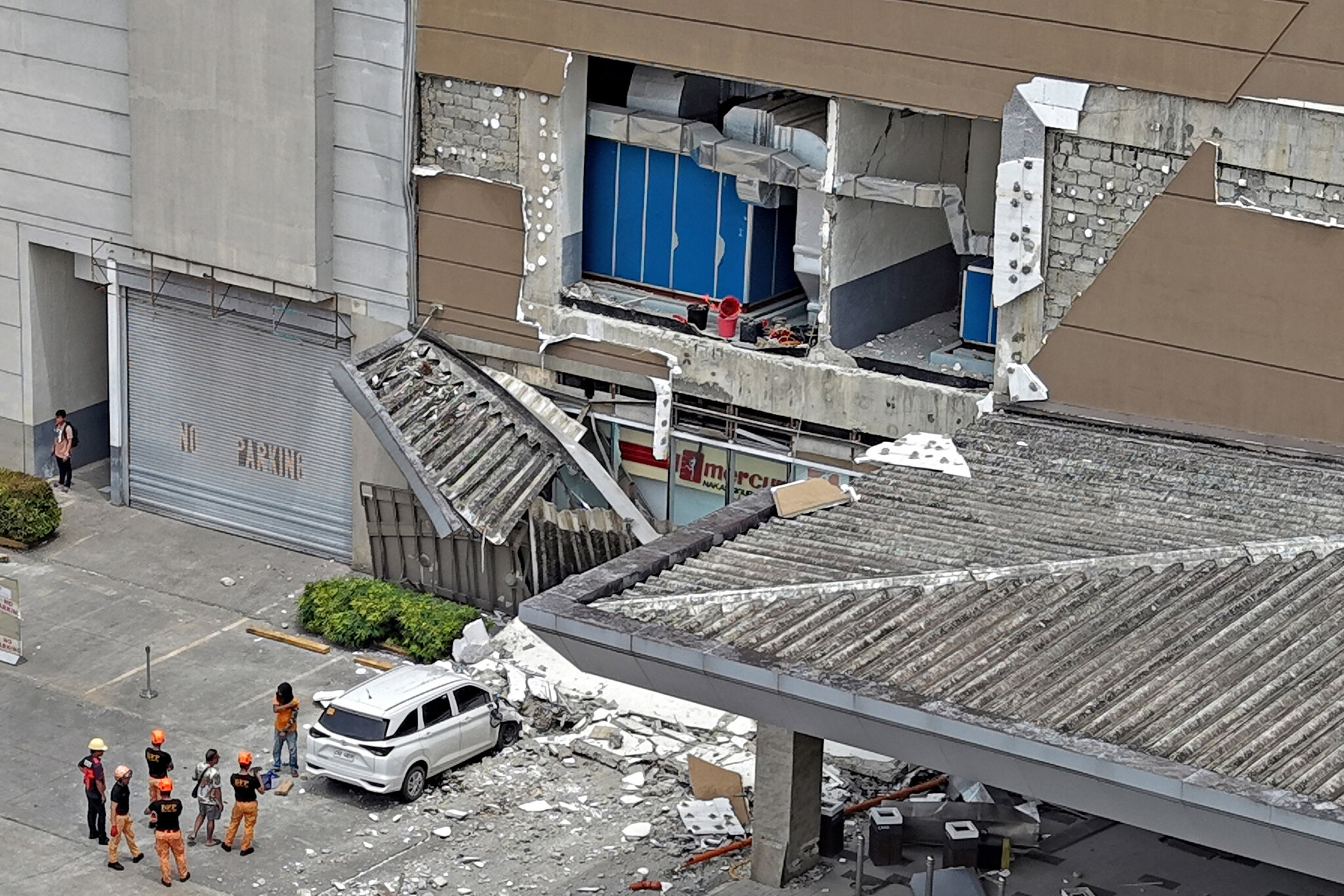
The earthquake, which occurred at approximately 8:45 AM local time, was centered in the eastern region of the country, near the island of Mindanao. Initial reports indicate that several towns experienced strong tremors, and buildings in the affected area suffered structural damage. Authorities have confirmed that two fatalities have been reported, along with multiple injuries as emergency services were deployed to assist those in need.
In the immediate aftermath of the quake, the Philippine Institute of Volcanology and Seismology (PHIVOLCS) issued alerts and reminders of possible aftershocks. The agency advised residents to remain vigilant and prepared, emphasizing the importance of having emergency kits and communication plans in place. The earthquake also triggered landslides in mountainous regions, further complicating rescue operations.
Government and Community Response
Local government units quickly activated their disaster response teams, mobilizing resources to assist those affected. Evacuation centers were set up for displaced individuals, and medical personnel were dispatched to provide care. The Philippine National Police and military were also called in to maintain peace and help with rescue efforts.
International organizations, including the Red Cross, expressed their readiness to assist the Philippine government as needed. Meanwhile, community members showed resilience, banding together to support their neighbors, demonstrating the strength of communal ties during crises.
Looking Ahead
As the dust settles from this seismic event, it is clear that preparedness and rapid response are key in mitigating the effects of such disasters. Experts anticipate that the Philippines will review and enhance its earthquake preparedness protocols to better safeguard its residents in the future.
In conclusion, the 7.4 magnitude earthquake serves as a stark reminder of the natural threats facing many regions of the world. The Philippines, with its high seismic activity, must continually adapt and strengthen its disaster response systems to minimize future risks and protect its citizens.