Introduction
Al Sharpton is a prominent American civil rights leader, activist, and talk show host whose work has had a significant impact on social justice movements in the United States. His dedication to advocating for the rights of marginalized communities has made him a crucial figure in contemporary discussions surrounding race and equality. Sharpton’s influence is especially relevant in today’s climate marked by heightened awareness of social injustices and persistent inequities across various sectors.
Recent Events and Activism
In recent months, Sharpton has continued to engage in activism focusing on police reform and economic equality. Following high-profile incidents of police violence, including the tragic death of Tyre Nichols in Memphis, Sharpton has been vocal in calling for accountability and systemic reforms. In a recent speech at a rally organized by the National Action Network, which he founded, he emphasized the need for comprehensive police reform legislation, stating, “We must ensure justice for Tyre and all victims of police brutality.” He has been actively mobilizing support for the George Floyd Justice in Policing Act, harnessing the collective outrage to push lawmakers towards enacting meaningful changes.
Moreover, Sharpton has taken a firm stance on economic disparities that have been exacerbated by the COVID-19 pandemic. He has been advocating for policies aimed at reducing poverty and increasing access to quality education and healthcare for communities of color. His recent initiatives included hosting workshops that focus on small business empowerment and investment in minority-owned enterprises, which are crucial steps towards economic equity.
Media Engagement and Public Impact
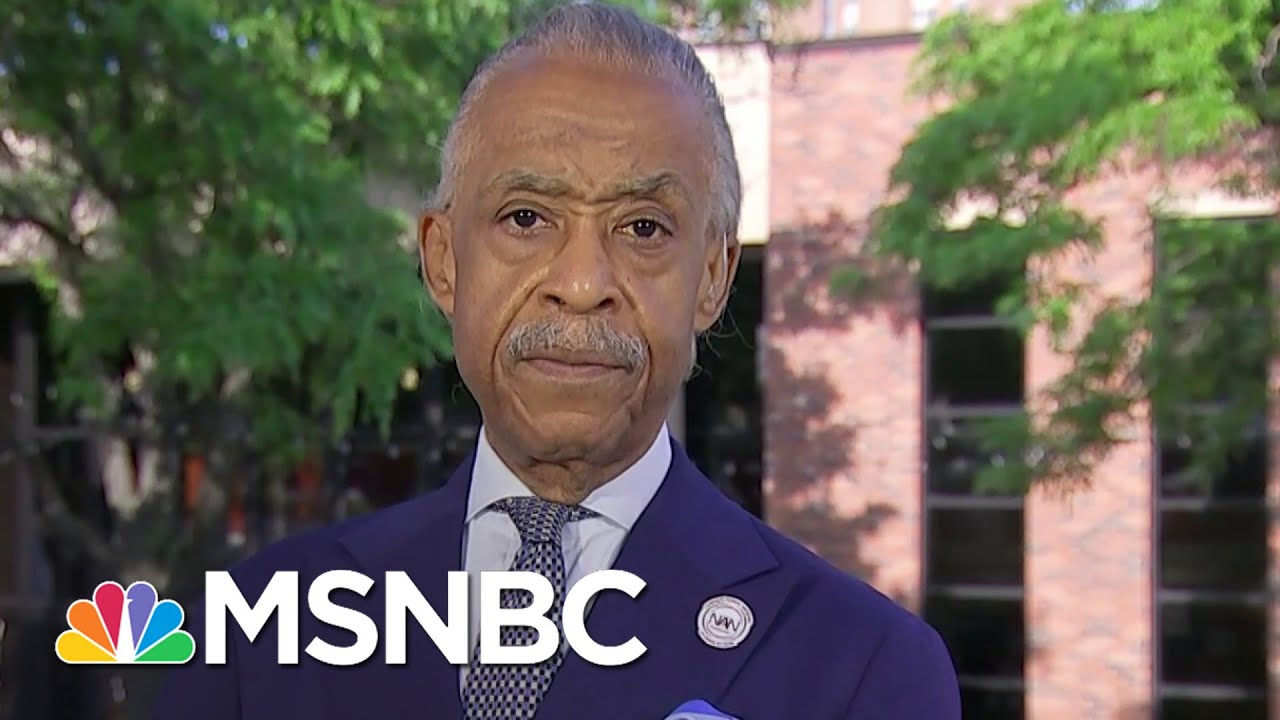
Besides his activism, Sharpton remains a prominent media figure. His show on MSNBC, “PoliticsNation,” serves as a platform where he discusses critical issues affecting the African American community, providing insights into ongoing movements and educating the public on civil rights issues. The show’s extensive following amplifies his messages, reaching a vast audience who may be uninformed about the complexity of these issues. Sharpton’s ability to articulate the concerns of marginalized groups on national television underscores the significance of media in shaping public opinion and policy.
Conclusion
Al Sharpton continues to be a significant voice in the fight for civil rights and social justice in America. His unwavering commitment to these causes, coupled with his media presence, ensures that critical issues remain at the forefront of national discourse. As the social justice movement evolves, Sharpton’s leadership will undoubtedly influence future generations, encouraging ongoing activism and engagement among individuals committed to creating positive change. His advocacy not only aims for immediate reforms but also fosters a broader dialogue on racial and economic equality that will be essential for the future of the country.