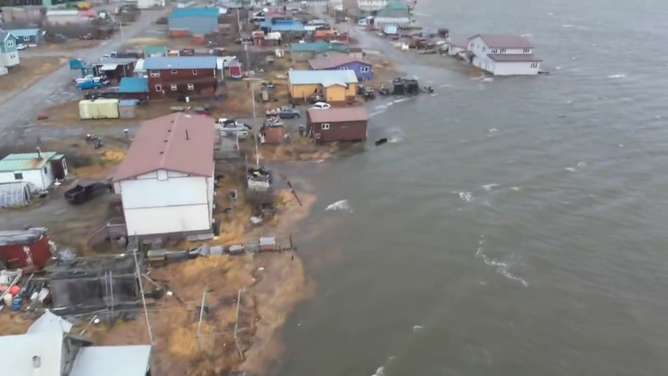
Introduction: Understanding the Impact of Alaska Flooding
In recent weeks, Alaska has faced severe flooding due to unprecedented rainfall and rapid snowmelt, leading to significant disruptions in communities statewide. The flooding has highlighted the urgent need for infrastructure resilience and disaster preparedness, especially as climate change continues to influence weather patterns. Understanding the current situation is essential for residents, local governments, and policymakers to ensure safety and effective recovery.
The Current State of Flooding in Alaska
As of late September 2023, heavy rainfall combined with melting snow has overwhelmed many rivers, particularly in regions such as Fairbanks and Bethel. Emergency services have reported multiple evacuations, and local authorities are working continuously to assess damage and provide aid. The National Weather Service predicts the potential for more rainfall, which could exacerbate the situation. Local bridges and roads have been severely damaged, affecting transportation and communication.
In Bethel, the Kuskokwim River has reached levels not seen since 2012, prompting officials to declare a local emergency. Floodwaters have inundated homes, schools, and businesses, displacing numerous residents. The community is grappling with the immediate aftermath as well as long-term displacement and recovery issues.
Response and Recovery Efforts
As the flooding continues, state and local officials have initiated coordinated response efforts. The Alaska Division of Homeland Security and Emergency Management is working alongside the Federal Emergency Management Agency (FEMA) to deliver assistance to affected communities. Temporary shelters have been established for those displaced by the flooding, providing food, medical assistance, and other crucial support services.
In addition to immediate relief, long-term recovery plans are being developed to address infrastructure rebuilding, increased flood prevention measures and climate resilience strategies. Local leaders are emphasizing the importance of adopting sustainable practices that will help mitigate future flooding risks.
Conclusion: The Path Ahead for Alaska
The flooding in Alaska serves as a reminder of the impact of natural disasters and climate challenges. The state’s response will not only shape the immediate future for those affected but also set a precedent for disaster preparedness strategies nationwide. Local governments will need to advocate for greater funding and resources to enhance infrastructure and foster community resilience. As recovery efforts unfold, it remains critical for residents and authorities to stay informed and engaged in the rebuilding process.