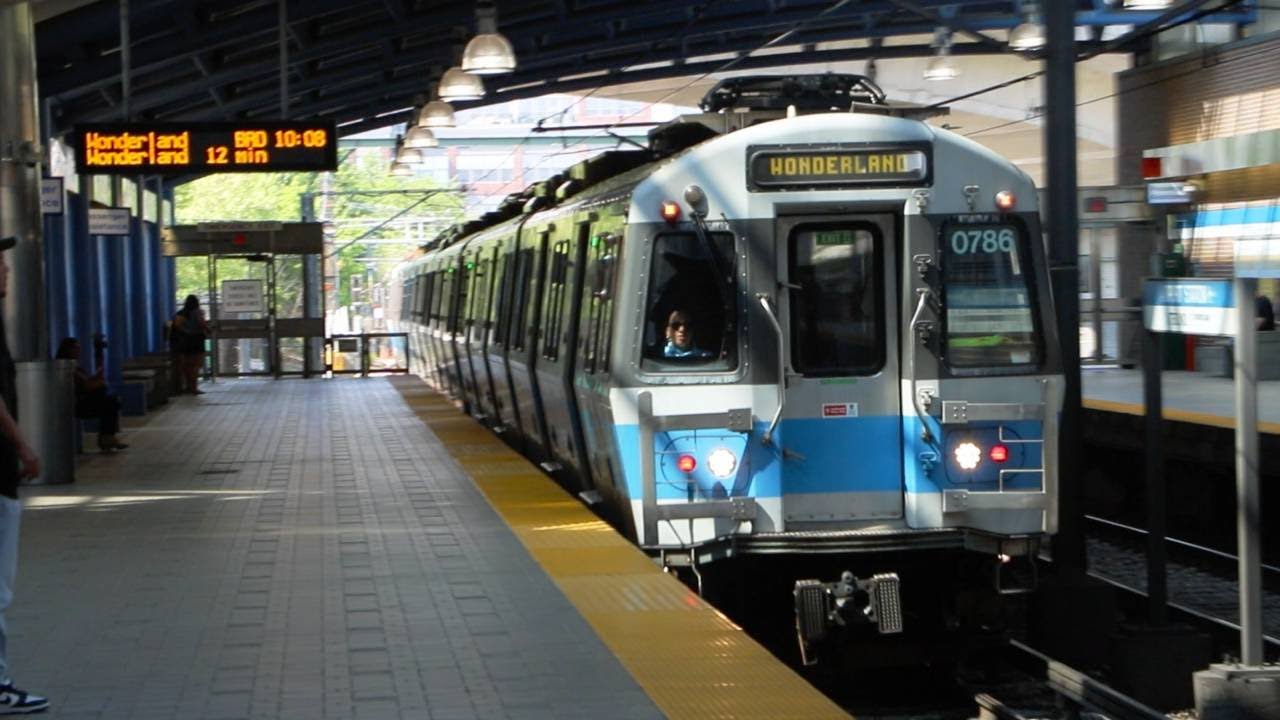
Introduction to the MBTA
The Massachusetts Bay Transportation Authority (MBTA), often referred to as the “T”, is a critical part of the public transportation system in Massachusetts. Established in 1964, it provides essential transit services to millions of residents and visitors in the Greater Boston area. With a diverse array of services ranging from buses to subway lines, the MBTA plays a significant role in addressing urban mobility, congestion, and environmental sustainability.
Current Developments and Challenges
As of 2023, the MBTA is facing a series of challenges, including funding issues, aging infrastructure, and reliability concerns. Recent reports indicate that the T has struggled with delays and service interruptions, which have sparked frustration among commuters. In response to these concerns, the MBTA has initiated several projects aimed at rebuilding and modernizing its systems. Notably, a $15 billion investment plan is expected to enhance service reliability, upgrade technology, and improve passenger amenities.
The ‘Orange Line’ Shutdown and Its Impact
One of the most notable events in 2022 was the 30-day shutdown of the Orange Line for necessary track repairs. This unprecedented move aimed to address long-standing infrastructure issues but raised questions about the efficiency of communication and alternatives for affected commuters. During this time, MBTA officials encouraged riders to explore other transit options, including buses, and carpooling. Despite the inconvenience, the closure has been seen as a necessary step towards ensuring long-term system reliability.
Public Response and Future Outlook
Public response to the MBTA’s recent challenges has varied widely, with many commuters calling for more transparency and better communication about delays and service changes. Advocacy groups have also emphasized the need for equitable transit access, improved safety measures, and environmentally friendly initiatives. Looking forward, the MBTA is anticipated to focus on strategic planning that prioritizes both short-term fixes and long-term sustainability goals.
Conclusion
The MBTA’s relevance in fostering a well-connected urban environment cannot be overstated. As it navigates ongoing challenges, stakeholders from local governments to commuter advocacy groups continue to push for improvements. The future of the MBTA will depend on its ability to adapt to changing transportation needs while ensuring that it remains a reliable and efficient option for residents of Massachusetts.