Introduction
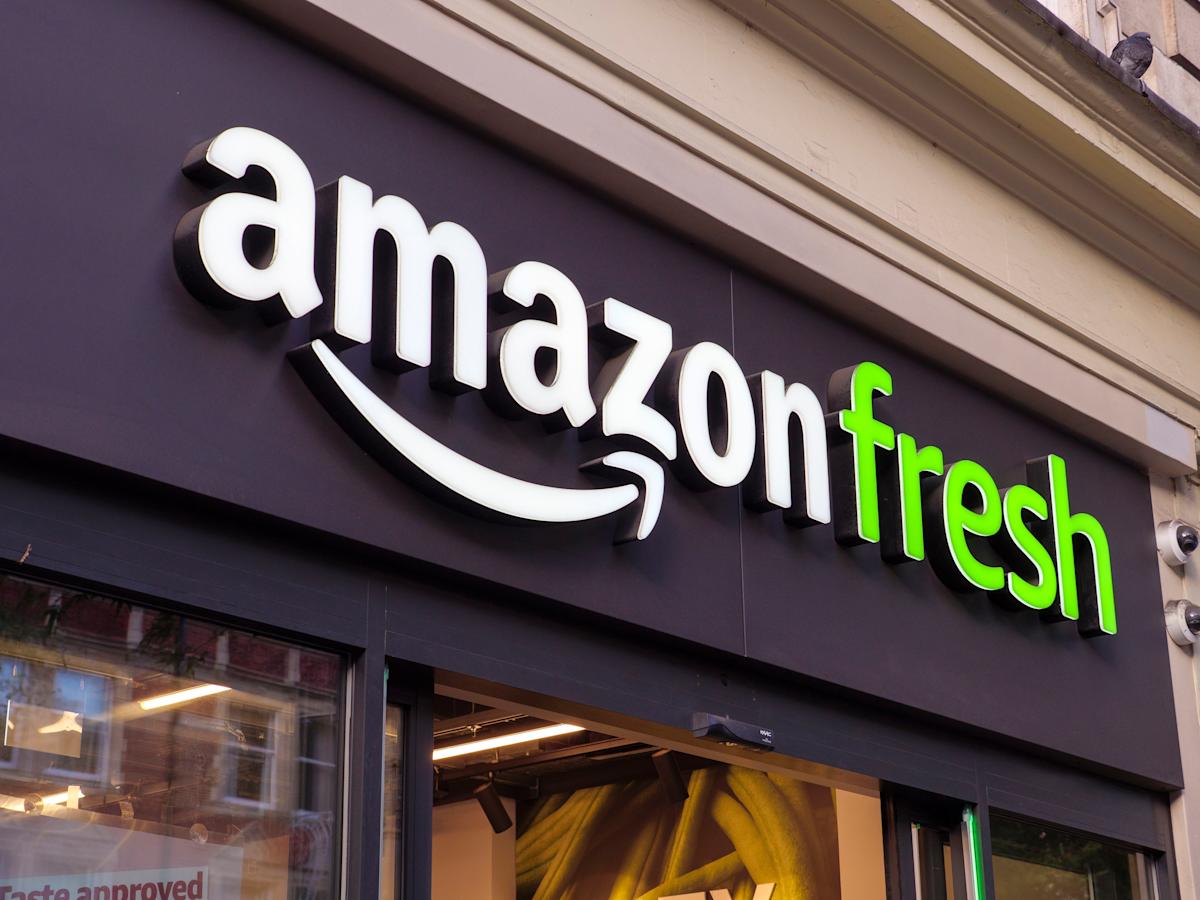
Amazon Fresh, the grocery store chain owned by e-commerce giant Amazon, has made headlines recently with the announcement of several store closures. This development is particularly significant in the rapidly evolving retail grocery landscape, as it reflects shifting consumer preferences and the challenges faced by brick-and-mortar grocery operations.
Details on Store Closures
In October 2023, Amazon confirmed that it would be closing approximately a dozen of its Fresh grocery locations across the United States. These closures are part of a broader strategy to reassess its footprint in the competitive grocery market, which also includes repositioning some locations and enhancing delivery options for its Prime members.
Among the stores that will close include locations in major metropolitan areas like Chicago, San Francisco, and New York City. The decision comes after a period of underperformance at these particular sites, where foot traffic has not met expectations due to increasing competition from traditional grocery chains and other delivery services.
Amazon Fresh was originally launched in 2020 with the aim of integrating Amazon’s robust e-commerce capabilities with a physical grocery shopping experience. However, the result has not been as successful as anticipated, prompting the company to reevaluate its strategies.
Market Reactions
The news has garnered mixed reactions from analysts and consumers alike. Some industry experts argue that the closures indicate a failure to effectively compete against established grocery chains like Walmart and Costco, who have a stronghold on consumer loyalty and pricing. Others suggest that Amazon’s restructuring efforts might be part of a larger plan to focus on profitable stores while expanding delivery and online services, areas where Amazon excels.
Conclusion
The closing of Amazon Fresh grocery stores is a significant development in the retail grocery industry, highlighting the challenges of transitioning traditional grocery shopping into a hybrid model that integrates online and offline experiences. As consumer shopping habits continue to evolve towards more convenient delivery options, it remains to be seen how Amazon Fresh will adapt. The brand’s future could very well depend on its ability to leverage its e-commerce strengths while addressing the shortcomings that led to these store closures. For consumers and employees affected by the closures, the immediate impact will be felt in job losses and reduced access to grocery options, further complicating the grocery retail landscape in urban centers.