Introduction
Amnesty International has been a leading human rights organization for decades, advocating for the freedoms and rights of individuals across the globe. Established in 1961, it mobilizes public opinion and garners support to challenge injustices and expose human rights abuses. In a world increasingly fraught with social and political unrest, understanding the role and impact of Amnesty International is of utmost importance, particularly as various countries face allegations of human rights violations.
Recent Events and Initiatives
In recent months, Amnesty International has highlighted the plight of individuals in several regions plagued by conflict and government oppression. Their annual report, published in April 2023, indicated an increase in violations against freedom of expression, highlighting cases in countries like Iran and Belarus, where dissenting voices face harsh repercussions. The organization also launched campaigns aimed at raising awareness about the Uyghur situation in China, citing ongoing human rights abuses, such as forced labor and mass detentions.
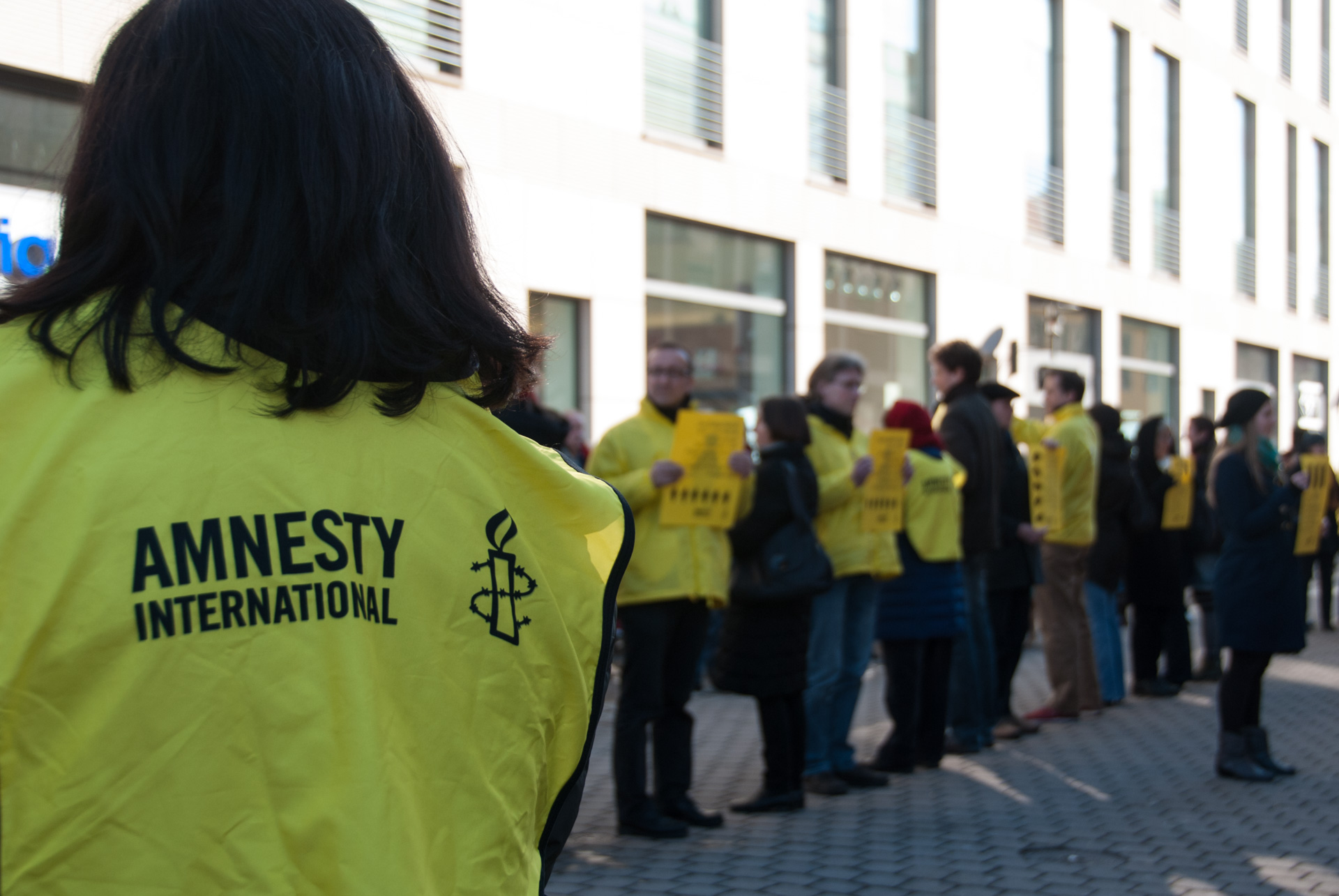
Amnesty’s work is not limited to raising awareness; it also engages in mobilizing solidarity. The organization recently coordinated global protests to highlight police brutality and systemic racism, urging world leaders to take meaningful action. The involvement of high-profile activists and celebrities has helped draw attention to these critical issues, amplifying the call for justice and accountability.
Impact on Policy and Public Awareness
Through tireless advocacy and evidence-based reports, Amnesty International has influenced various governmental policies globally. Many nations have revised their human rights laws or acknowledged international scrutinies as a result of sustained pressure from Amnesty and other NGOs. For instance, legislative changes in several European countries were initiated following public outcry prompted by Amnesty’s findings on immigration detainment practices.
Conclusion
As we move toward an increasingly interconnected future, the role of Amnesty International cannot be understated. It serves not just as a watchdog but as a catalyst for change, encouraging individuals to rise against injustices within their jurisdictions. The significance of Amnesty’s work will only grow as geopolitical tensions escalate around the world. For readers passionate about human rights, supporting Amnesty International’s initiatives and keeping informed on their campaigns offers a path to not only understanding the issues but actively participating in the global fight for justice and dignity for all.