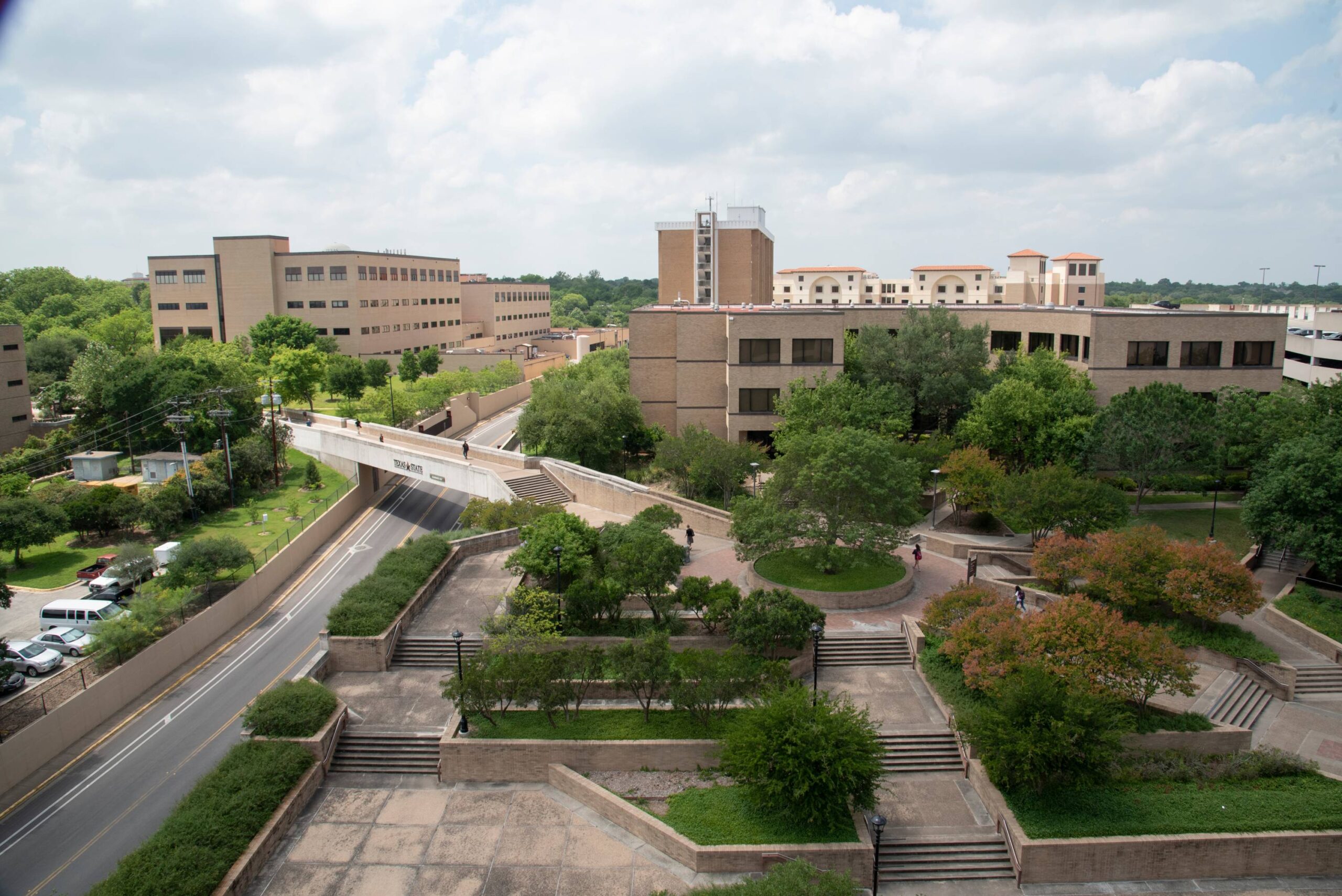
Introduction
Texas State University (TXST), located in San Marcos, Texas, holds significant importance in the realm of higher education. Established in 1899, it has grown into one of the largest universities in the state, contributing to the academic, cultural, and economic development of Texas. With a student enrollment exceeding 38,000 and a diverse array of programs, the university plays a pivotal role in shaping the future of its graduates and the communities they serve.
Academic Programs and Growth
Texas State University offers over 200 undergraduate and graduate degree programs across various disciplines such as business, education, and the sciences. The university is classified as a doctoral research institution, emphasizing the generation of knowledge and innovation. In recent years, TXST has invested heavily in expanding its research capabilities, particularly in areas like health, engineering, and public affairs. This investment has led to a surge in research initiatives, attracting both academic and corporate partnerships.
Campus Life and Student Engagement
Beyond academics, TXST prides itself on a vibrant campus life that encourages student engagement and community involvement. The university hosts over 400 student organizations, providing opportunities for leadership, networking, and social interaction. The annual Bobcat Days and various cultural events reflect the university’s commitment to diversity and inclusion, fostering an environment where students from all backgrounds can thrive. Moreover, TXST’s athletic programs, particularly in football and basketball, contribute to a strong school spirit and community pride.
Future Outlook and Challenges
As Texas State University continues to evolve, it faces various challenges, including increased competition from other institutions and the need to adapt to the changing landscape of higher education, particularly in response to digital learning trends. However, with strategic planning and a focus on student success, TXST is well-positioned to remain a key player in Texas higher education. The recent expansion of online programs exemplifies its adaptability, allowing it to reach a broader audience and provide accessibility to education for non-traditional students.
Conclusion
Texas State University stands as a cornerstone of academic achievement and community engagement in Texas. Its robust offerings and commitment to research not only enhance the educational experience but also shape the state’s future workforce. As the university continues to grow and evolve, it remains dedicated to providing quality education and fostering a supportive environment for all its students.