Introduction
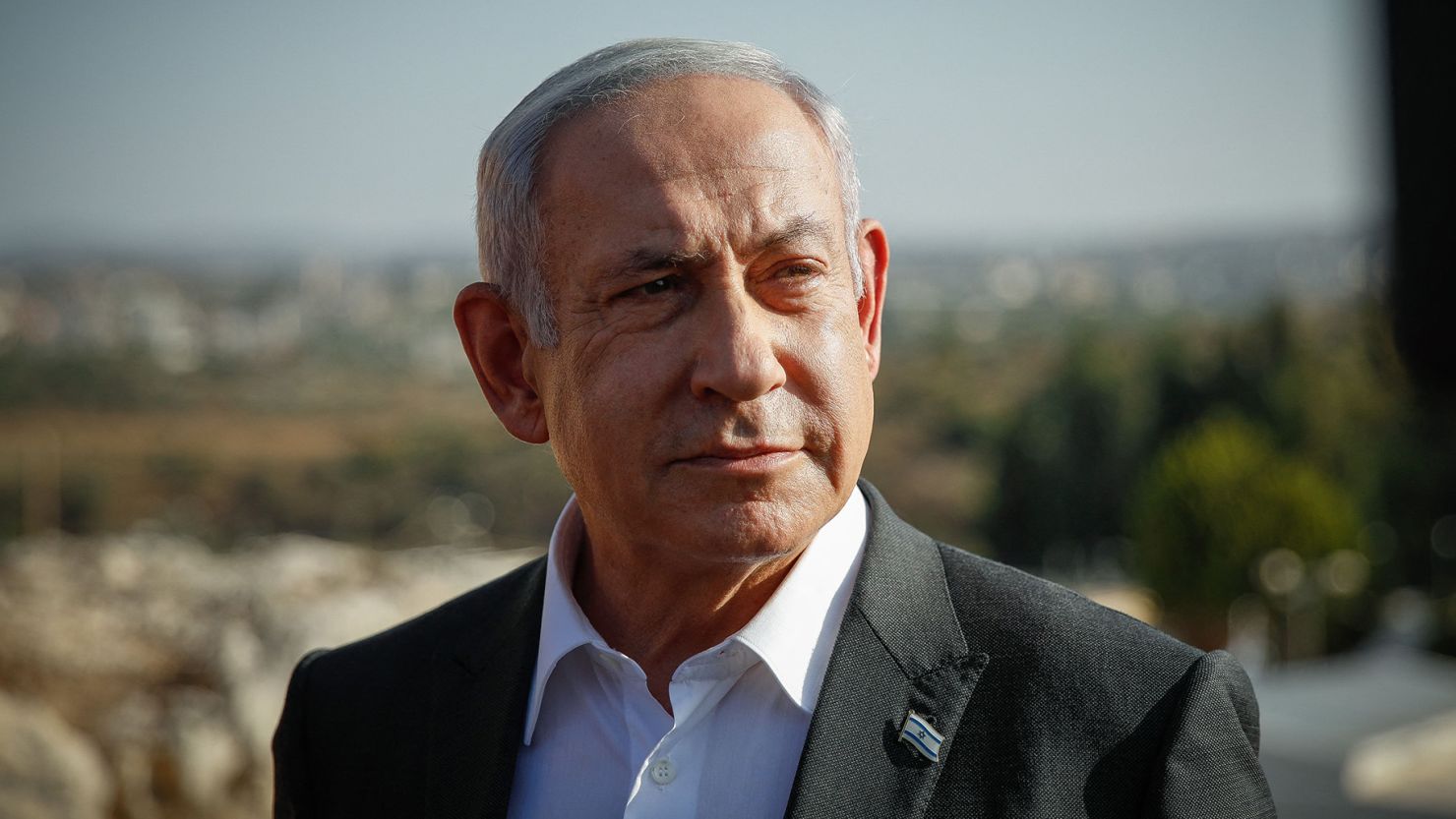
Benjamin Netanyahu, Israel’s longest-serving Prime Minister, is a central figure in global politics, known for his significant influence on Middle Eastern affairs. His leadership has sparked various discussions about security, diplomacy, and domestic policy. With Israel facing critical challenges, understanding Netanyahu’s actions and strategies has become increasingly relevant for both regional stability and international relations.
Current Political Landscape
As of 2023, Netanyahu’s administration has been grappling with a series of socio-political challenges. Following the controversial judicial reforms proposed earlier this year, thousands of Israelis took to the streets in protests, claiming that these changes threatened democracy and judicial independence. Despite facing immense public dissent, Netanyahu has maintained support from his coalition, composed primarily of right-wing parties.
Netanyahu’s recent focus has been on warnings regarding Iran’s nuclear ambitions, which he deems a significant threat to Israel’s security. His government continues to advocate for heightened international pressure on Tehran, often appealing to global allies, particularly the United States. Furthermore, ongoing tensions with Palestinian groups in Gaza and the West Bank have resulted in increased military actions, raising the stakes for both Israeli and Palestinian civilians.
International Relations and Diplomacy
On the international front, Netanyahu has sought to strengthen relations with Arab states through the Abraham Accords, which normalize ties between Israel and several Middle Eastern nations. However, skepticism remains about the long-term viability of these agreements amidst rising regional tensions. The Prime Minister’s relationships with other leaders, particularly U.S. President Joe Biden’s administration, continue to evolve as both countries navigate complex geopolitical landscapes.
Conclusion
Benjamin Netanyahu’s potential political future remains uncertain as internal and external pressures mount. Many analysts suggest that upcoming parliamentary elections may yet reshape Israel’s political environment, influencing the trajectory of Netanyahu’s leadership. As the situation in Israel and the surrounding region continues to develop, it is crucial for observers to monitor how Netanyahu will address these challenges and what their implications will be for Israel’s future. The effectiveness of his policies not only affects Israel but resonates well beyond its borders, impacting international relationships and stability in the Middle East.