Introduction
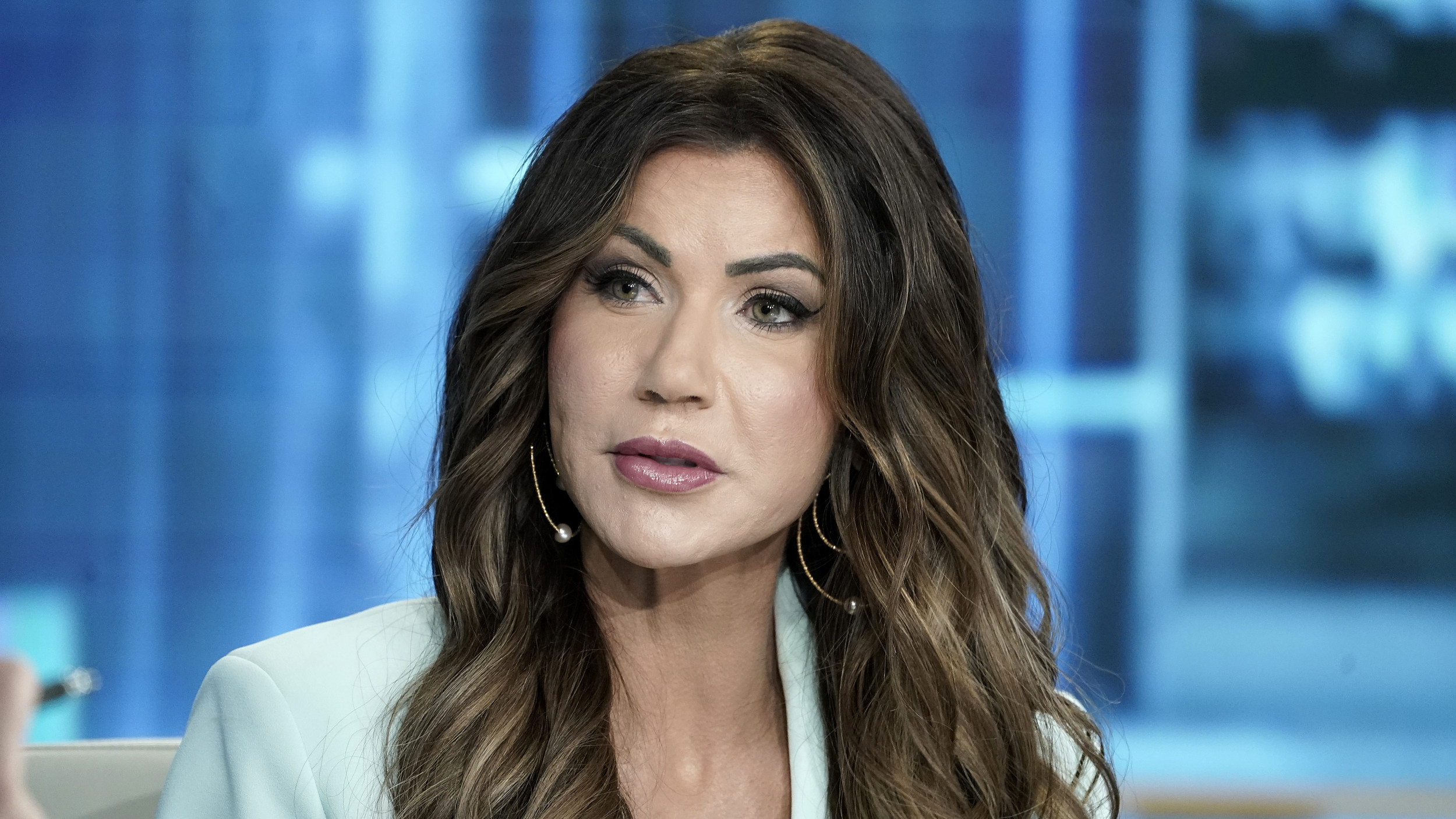
Kristi Noem, the Governor of South Dakota, has been a prominent figure in American politics since taking office in January 2019. As the first female governor of the state, her leadership is significant not just for South Dakota but as a role model for women in politics. Noem’s policies and positions on key issues are increasingly relevant as the nation navigates political divides and economic challenges.
Current Political Landscape
As of 2023, Kristi Noem has been a vocal advocate for conservative policies, focusing on tax cuts, business-friendly regulations, and public health initiatives. Amid the ongoing dialogue around pandemic response, Noem’s approach, which emphasized personal responsibility and minimal government intervention, has sparked both support and criticism. Recently, she has been in the spotlight for her stance against vaccine mandates and her efforts to promote South Dakota as a free state.
Legislation and Initiatives
Noem has also pushed for various legislative initiatives that align with her administration’s vision for economic growth. For instance, her support for workforce development programs aims to address labor shortages in critical sectors. Her administration is promoting tourism in South Dakota, highlighting the state’s natural beauty and cultural heritage to attract visitors post-pandemic. Additionally, her advocacy for agriculture and rural development remains a pillar of her agenda, given South Dakota’s strong agricultural roots.
Controversies and Challenges
Despite her strong support base, Noem has faced controversies, particularly regarding her handling of COVID-19. Critics argue that her policies may have contributed to higher infection rates, while supporters claim her approach preserved personal liberties. The debate over her educational policies, especially concerning critical race theory and transgender rights in schools, continues to generate significant discussion among residents and political analysts alike.
Conclusion
Kristi Noem’s influence extends beyond South Dakota as she continues to position herself as a key player in national politics. With potential aspirations for higher office, her future actions and decisions will likely shape her legacy within the GOP. As voters prepare for upcoming elections, understanding her policy positions and political maneuvers will be crucial for those observing the shifting landscape of American governance. Noem’s unique approach and the outcomes of her initiatives could set a precedent for other states grappling with similar challenges.