Introduction
The stock price of Advanced Micro Devices (AMD) has become a focal point for investors and market analysts alike, reflecting the ongoing trends in technology and shifts in consumer demand. As a leading semiconductor company, AMD’s stock price is not only significant for its investors but also for the broader markets that track technology stocks. Understanding the factors influencing its stock price can provide insight into both the company’s performance and the technology sector’s future.
Current Market Trends
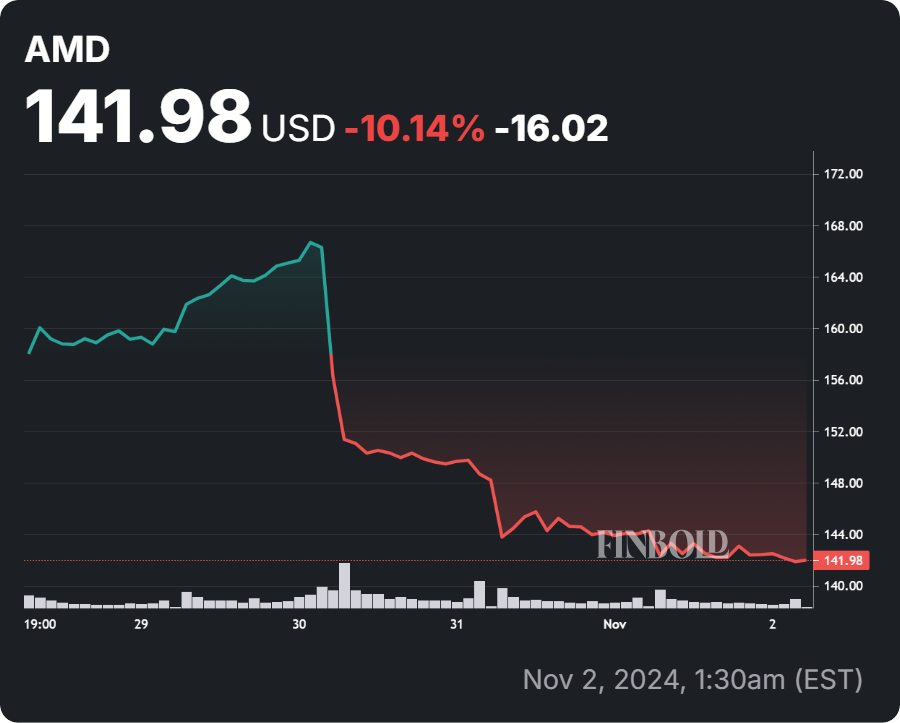
As of October 2023, AMD’s stock price is witnessing notable fluctuations, largely driven by the company’s recent earnings report and broader economic factors. The semiconductor market has been under pressure due to supply chain disruptions and decreased consumer spending. AMD’s recent financial results showcased a mixed performance; while the company reported revenue increases in gaming and data center segments, it fell short in its consumer PC market expectations, leading to a slight dip in stock price.
Recent analysis shows that AMD’s stock has been operating between the $70 and $85 range over the past month. Analysts have highlighted that while the company is well-positioned for future growth, particularly with its new product launches and advancements in AI technologies, market sentiment remains cautious due to the overall economic slowdown.
Key Factors Influencing AMD Stock Price
Several critical factors currently influence AMD’s stock price:
- Product Launches: AMD’s continued innovation, particularly the launch of its Ryzen and EPYC processors, plays a pivotal role in its market position. Any delays or issues in product rollouts can lead to stock price volatility.
- Competitive Landscape: Competition with companies like Intel and NVIDIA is fierce. Analysts closely monitor market share movements, as changes can significantly impact stock prices.
- Global Economic Conditions: The semiconductor industry is sensitive to macroeconomic shifts, including inflation, interest rates, and consumer confidence. Recent data suggests that decreased consumer spending on electronics could pose challenges for AMD in the short term.
- Investor Sentiment: Reports suggest that sentiment in the tech sector is cautious. Fluctuations in investors’ confidence can lead to significant price movements in AMD stock.
Conclusion
In conclusion, AMD’s stock price continues to be an essential indicator of the health of the semiconductor industry and technology sector as a whole. With key developments on the horizon, including the upcoming product launches and the ongoing evolution of consumer technology demand, AMD’s ability to navigate these challenges will be crucial. Investors should remain informed on market trends and economic conditions, as they will undoubtedly play a significant role in shaping the future of AMD’s stock price. As such, while the outlook remains mixed, the potential for long-term growth in this sector remains significant.