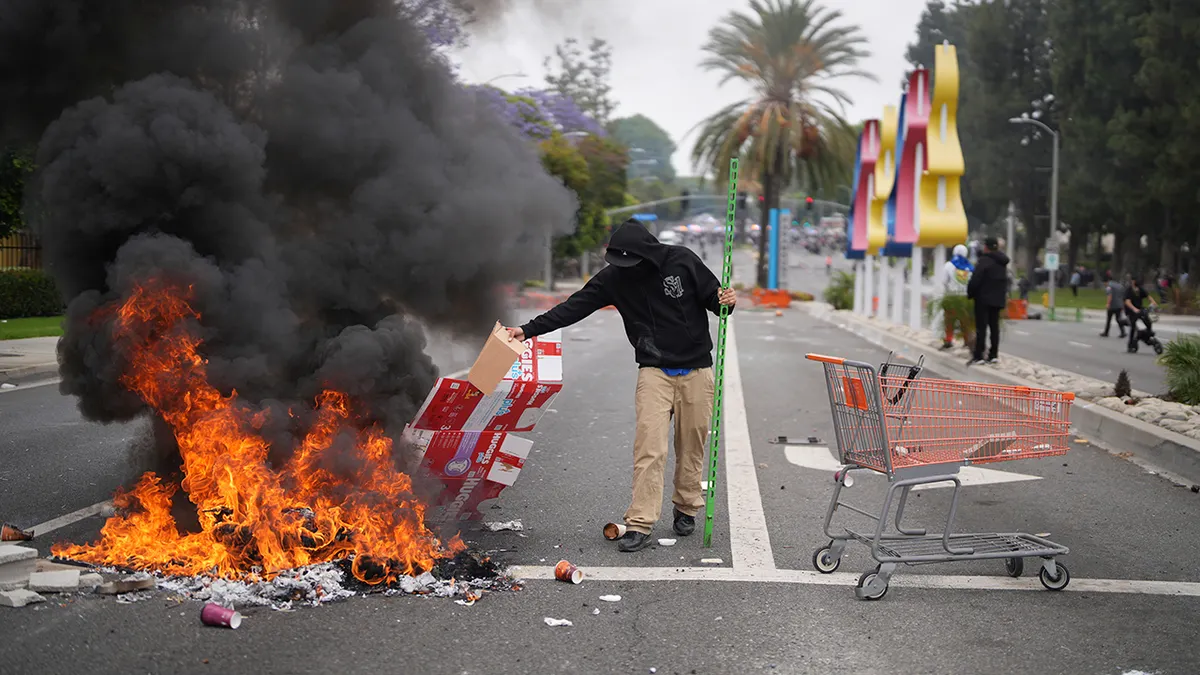
Introduction
Antifa, short for anti-fascist, is a movement that has gained significant attention in recent years, especially amid the backdrop of increasing political polarization in the United States. Its relevance has surged as debates surrounding free speech, civil rights, and extremism shape national discourse. Understanding Antifa is crucial for grasping the dynamics of contemporary social movements and the response to far-right ideologies.
Origins and Ideological Underpinnings
The Antifa movement traces its roots back to anti-fascist movements in Europe during the 1920s and 1930s. Modern Antifa groups emerged in the U.S. in the early 2000s, largely as a reaction to the rising tide of white supremacism and far-right extremism. These groups advocate for direct action, which can include protests, counter-demonstrations, and sometimes confrontational tactics aimed at fascist and far-right groups. Antifa members often promote anti-capitalist, anti-racist, and anti-authoritarian ideologies, seeing their activism as a necessary measure to combat hatred and intolerance.
Recent Events and Public Perception
Antifa gained widespread notoriety during the 2020 protests sparked by the killing of George Floyd, where they were involved in countering groups opposed to the Black Lives Matter movement. While many supporters argue that Antifa plays a crucial role in defending marginalized communities, critics claim their methods can escalate violence and undermine peaceful protest movements. The perception of Antifa varies drastically, with some viewing it as a necessary defense against fascism, while others label it as a dangerous insurgent group.
Current Influence and Future Outlook
As of 2023, the influence of Antifa continues to be felt in political and social arenas. Increasingly polarized views regarding anti-fascist action have led to calls for more stringent laws and policies aimed at curbing their activities, raising concerns around free speech and civil liberties. The movement’s trajectory will likely depend on the socioeconomic climate and the response to emerging right-wing extremism in the U.S. and beyond.
Conclusion
In summary, Antifa represents a complex and often contentious movement that reflects the ongoing struggle against fascism and extremism in modern society. As political landscapes evolve, the debate surrounding Antifa is expected to endure, challenging scholars, activists, and citizens alike to confront the implications of their actions and ideologies. Understanding Antifa is vital not only for those engaged in political discourse but also for anyone concerned about the future of democratic values and societal cohesion.