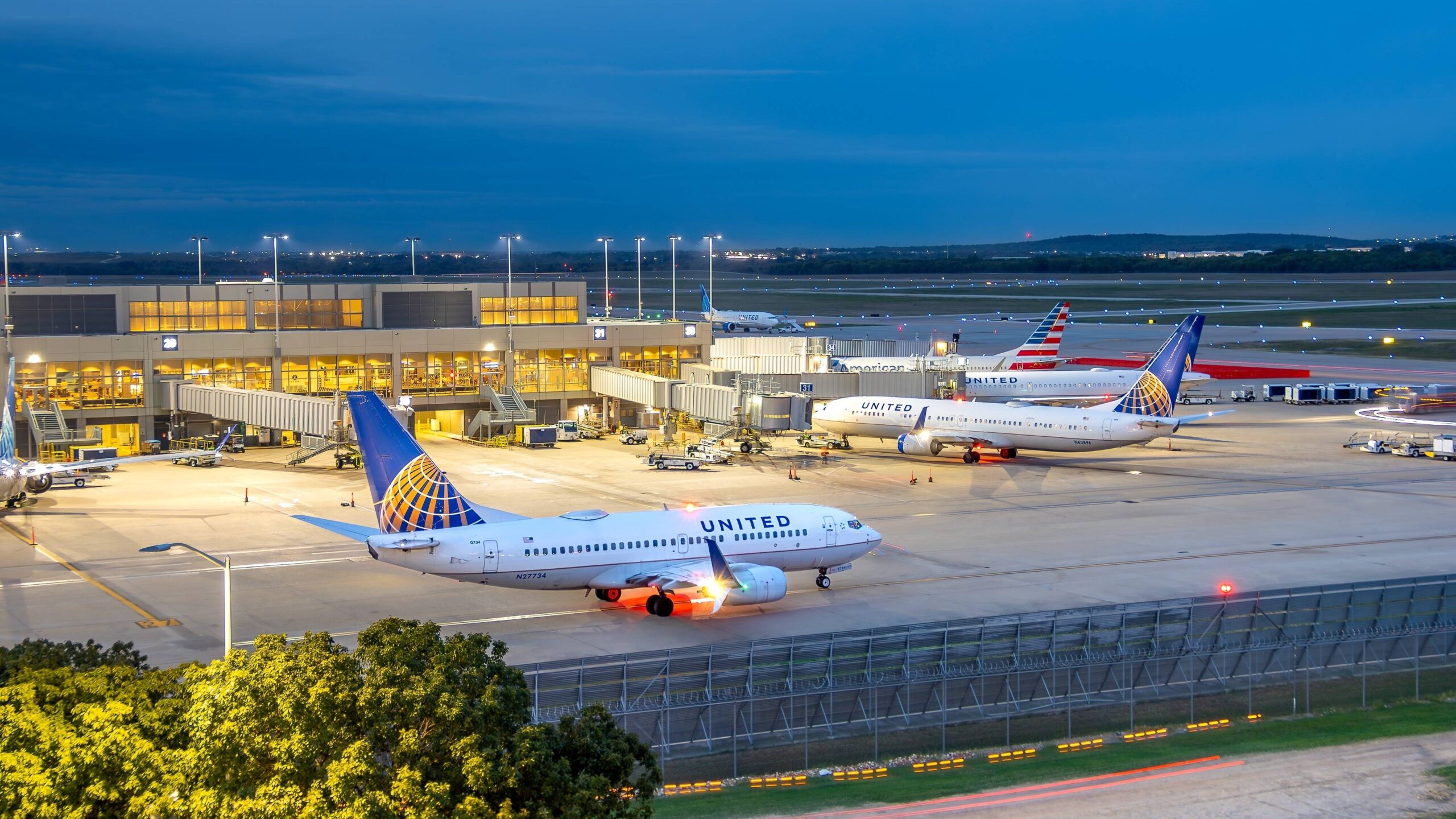
Introduction to Austin Airport
Austin-Bergstrom International Airport (AUS) is a vital transportation hub in Texas, serving millions of passengers each year. As the city of Austin grows rapidly, so does the importance of its airport, which supports not just local travel but also international connections.
Recent Developments at Austin Airport
In recent months, Austin Airport has undergone significant upgrades to accommodate the increasing number of travelers. Reports indicate that the airport recorded over 19 million passengers in 2022, a significant increase from previous years. To manage this influx, AUS has been expanding its facilities, including the addition of new concourses and improved baggage claim systems.
In 2023, the airport initiated the second phase of its expansion plan, which focuses on enhancing the passenger experience through modernized amenities and services. Notable improvements include upgraded dining options, additional retail spaces, and enhanced waiting areas designed to provide travelers with comfort and convenience. Furthermore, sustainable practices are being integrated into the development, emphasizing environmental responsibility.
Impact on the Local Economy
The continued growth of Austin Airport has a direct impact on the local economy. The expansion not only creates jobs within the airport but also supports surrounding businesses like hotels, restaurants, and transport services. Local officials estimate that the airport generates nearly $3.5 billion annually for the regional economy, signaling its importance as an economic driver and facilitator of tourism.
Future Outlook for Austin Airport
Looking forward, the future of Austin Airport appears bright. With projected increases in both domestic and international travelers, AUS is poised to become one of the key airports in the United States. Future phases of development are expected to focus on enhancing technology systems for tracking flights and passengers, further streamlining operations.
The city’s population continues to rise, and with it, the demand for efficient air travel. Austin Airport is set to embrace these challenges by investing in innovative infrastructure, ensuring it meets the needs of a growing community while also providing an attractive option for visitors to the vibrant city of Austin.
Conclusion
In conclusion, Austin Airport is not just a gateway for travelers but a crucial component of the local economy and community. As improvements continue, travelers can expect an enhanced experience, making AUS a leading airport in Texas and beyond for years to come.