Introduction
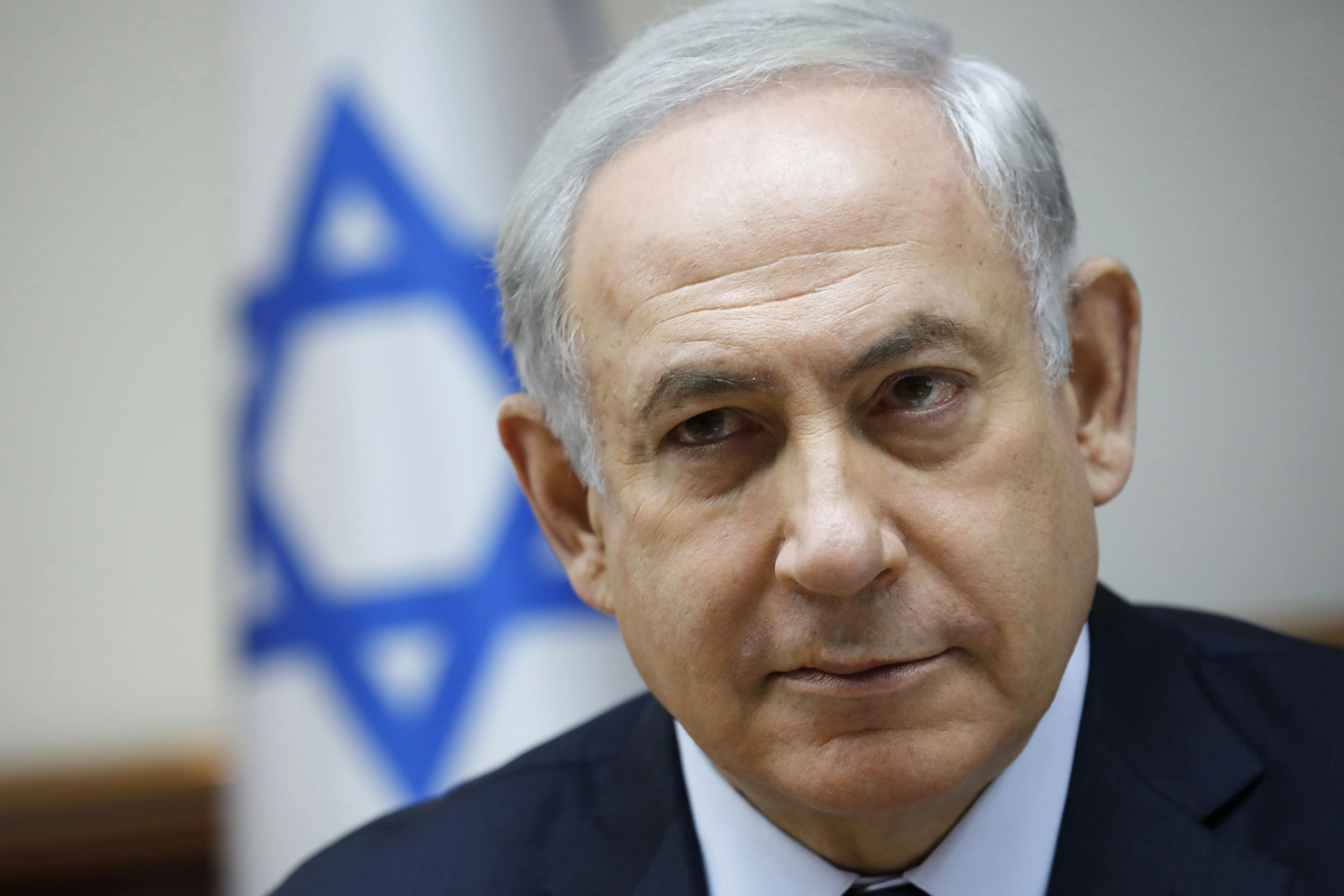
Benjamin Netanyahu, Israel’s longest-serving prime minister, has played a pivotal role in shaping the country’s political landscape for over a decade. His tenure is marked by significant policy decisions, controversial political maneuvers, and a profound influence on Israel’s foreign relations. As Israel continues to navigate complex regional challenges and internal divisions, Netanyahu’s leadership remains crucial for understanding the nation’s future.
Recent Developments
As of October 2023, Netanyahu is facing both political and legal challenges. His government, formed in December 2022, is a coalition of right-wing parties, reflecting a shift in the political spectrum. Recently, a wave of protests erupted across the country against Netanyahu’s judicial reforms aiming to reduce the Supreme Court’s power. Critics argue that these reforms threaten democracy in Israel, leading to widespread backlash from various civil society groups and opposition parties.
In response to domestic unrest and security concerns, Netanyahu has also prioritized military action against militant groups in Gaza and heightened security measures in response to escalating tensions with Palestinian factions. His stance has sparked debates regarding human rights and the long-standing Israeli-Palestinian conflict, with calls for both restraint and action from different factions within the country.
Impact on Foreign Relations
Netanyahu’s foreign policy has also drawn considerable attention, especially in the context of normalization agreements with Arab states. The Abraham Accords, initiated in 2020, marked a significant shift in Israel’s relationships in the Middle East. As Netanyahu navigates ongoing relations with these nations, he aims to bolster Israel’s security and economic prospects. However, tension with Iran remains a crucial element of his administration, as Netanyahu consistently voices concerns over Iran’s nuclear ambitions and its influence in the region.
Conclusion
The political landscape surrounding Benjamin Netanyahu is intricate and continuously evolving. His ability to balance domestic demands with foreign pressures will play a vital role in determining his administration’s stability and effectiveness. As public dissent grows and regional dynamics shift, observers will be keenly watching how Netanyahu maneuvers through these challenging waters. The implications of his policies not only affect Israel but resonate throughout the Middle East, highlighting the importance of his leadership in this turbulent era.