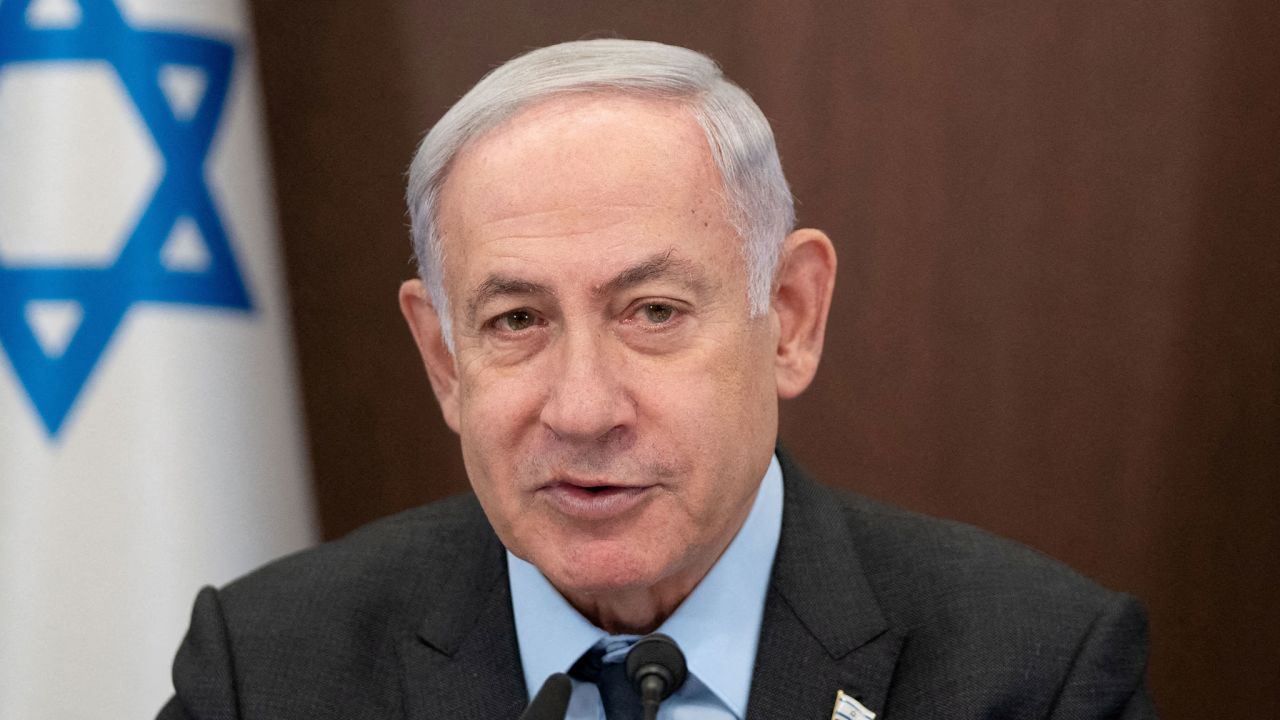
Introduction: The Importance of Benjamin Netanyahu
Benjamin Netanyahu, Israel’s longest-serving Prime Minister, remains a pivotal figure in both national and international politics. His leadership has been marked by significant events that shape Israel’s domestic policies and its relations with the world. With the ongoing challenges in the region, understanding Netanyahu’s role and actions is vital for grasping the current geopolitical landscape.
Recent Political Developments
As of October 2023, Netanyahu has faced increased scrutiny following the escalation of conflict with Hamas in Gaza, which led to heightened tensions within Israel. The recent military operations have been both criticized and supported within various factions of Israeli society. Netanyahu’s handling of security issues is a central aspect of his political strategy, and this latest conflict has reignited debates over his leadership style and decision-making capabilities.
In November 2022, Netanyahu returned to power by forming a coalition government with right-wing parties, marking a significant shift in Israeli politics. This coalition has faced challenges regarding social policies and relations with the Arab community within Israel, which renews discussions about civil rights and inclusivity under his administration.
Implications for Future Governance
Netanyahu’s political future will be shaped by how he navigates the ongoing challenges, including peace negotiations and economic stability. His critics argue that his hardline policies may push the country towards greater isolation on the international stage, while his supporters claim that these same policies bolster Israel’s security. Recent polls indicate fluctuating public support, suggesting that the upcoming elections may pose a significant test for his leadership.
Conclusion: The Significance of Netanyahu’s Leadership
The developments surrounding Benjamin Netanyahu carry substantial implications for both Israel and the broader Middle East. As he continues to adapt to the pressures of governance—internal dissent, external threats, and shifting public opinion—his actions will undoubtedly influence future diplomatic relations and the social fabric of the nation. Observers anticipate a crucial phase for Netanyahu as he strives to maintain political stability amidst an often volatile atmosphere. For readers and stakeholders, understanding his strategies and decisions will be essential in forecasting potential outcomes in Israeli politics.