Introduction
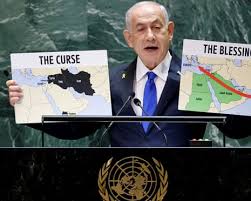
Benjamin Netanyahu, a prominent figure in Israeli politics, has served multiple terms as Prime Minister, making him one of the longest-serving leaders in Israel’s history. His leadership and policies have significantly shaped Israeli domestic and foreign affairs. With current events surrounding his administration, understanding Netanyahu’s political strategies and their implications is crucial for both Israeli citizens and global observers.
Recent Developments
As of October 2023, Netanyahu’s government is facing immense scrutiny due to ongoing conflicts and protests within Israel. The recent escalation of violence in the region has garnered international attention, raising concerns about security and political stability. The tensions were exacerbated by a controversial judicial overhaul plan proposed by Netanyahu’s administration, which aimed to limit the powers of the judiciary. This move sparked widespread protests across Israel, with citizens expressing fears over the potential erosion of democratic principles.
Despite these challenges, Netanyahu continues to maintain a strong political base, bolstered by his party, Likud. In recent parliamentary discussions, Netanyahu has emphasized security as a priority, seeking to reassure both supporters and critics of his leadership. The Prime Minister’s strategies have included plans to increase military support for Israel’s defense forces in response to threats from neighboring countries and non-state actors.
Public Response and Political Implications
The public response to Netanyahu’s policies has been mixed. While many Israelis support his focus on security, others are deeply concerned about the perceived authoritarian shift in governance. Recent polls indicate a divide in public opinion, with some voters prioritizing an assertive foreign policy while others emphasize the importance of upholding democratic values and civil rights.
Internationally, Netanyahu’s administration has been navigating complex relationships with both allies and adversaries. The recent U.S. administration has expressed caution regarding Israel’s handling of internal affairs, urging a balanced approach in addressing security needs while respecting democratic norms. Netanyahu has continuously worked to strengthen ties with other nations, particularly in light of recent normalization agreements with neighboring Arab nations.
Conclusion
Benjamin Netanyahu’s future remains uncertain as he faces significant challenges both domestically and internationally. As protests against his government persist and foreign relations evolve, the impact of his leadership will be under close examination. Observers predict that Netanyahu will continue to play a significant role in shaping Israeli politics in the coming months but will need to navigate these turbulent waters carefully to maintain his position and support. For readers interested in Middle Eastern politics, understanding Netanyahu’s approach and the surrounding dynamics is essential for forecasting the region’s future.