Introduction
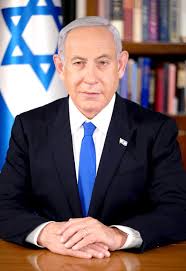
Bibi Netanyahu, the long-serving Prime Minister of Israel, is a pivotal figure in modern geopolitics. His leadership is crucial as Israel navigates complex challenges regionally and internationally. Understanding Netanyahu’s policies and strategies is essential for grasping the current state of Israeli politics and its impact on global relations.
Netanyahu’s Political Journey
Benjamin “Bibi” Netanyahu first served as Prime Minister from 1996 to 1999 and returned to office in 2009. He has led Israel through some of its most challenging times, focusing on security, economic reforms, and international diplomacy. His tenure is marked by a strong stance against Iran and a push for normalization of relations with Arab nations, highlighted by the Abraham Accords in 2020.
Recent Developments
In 2023, Netanyahu faced renewed challenges, including significant public protests against judicial reforms perceived as undermining Israel’s democratic institutions. The proposed reforms, which aimed to change the way the judiciary operates, drew criticism from various sectors of society, sparking discussions about the balance of power in the Israeli government.
Additionally, Netanyahu’s government has been scrutinized for its handling of security issues concerning the Gaza Strip and the West Bank. Frequent clashes and rising tensions with Palestinian groups have raised questions about the effectiveness of Netanyahu’s policies in achieving lasting peace.
International Relations and Diplomatic Efforts
Netanyahu’s approach to diplomacy has been a double-edged sword. While he has successfully built ties with other Middle Eastern nations, such as the UAE and Bahrain, his relationship with the Biden administration has experienced tensions, particularly regarding Israeli settlements and the Israeli-Palestinian conflict. As Netanyahu strives to maintain strong ties with the U.S., he must also navigate the complexities of an evolving Middle Eastern landscape.
Conclusion
Bibi Netanyahu stands at a crossroads, balancing public discontent with a pivotal role on the world stage. His government’s future may hinge on addressing domestic concerns while maintaining a robust international presence. For Israelis and observers alike, this period marks a significant chapter in the ongoing narrative of Israel’s political landscape and the broader implications for peace and stability in the region. As events unfold, the world watches closely to see how Netanyahu will maneuver through these intertwined challenges.