The wider picture
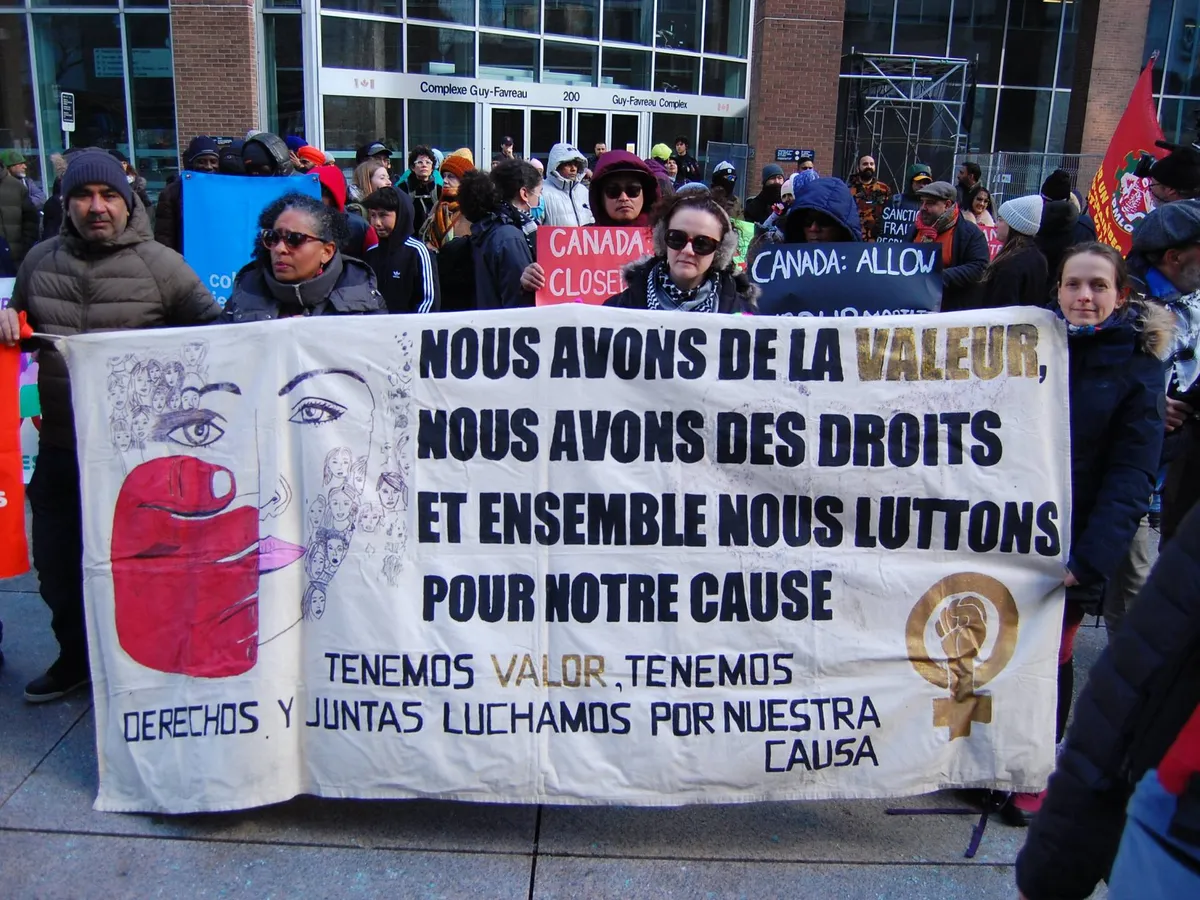
Bill C-12 marks one of the most significant structural changes to Canada’s immigration system in recent years. The legislation, which became law on March 26, 2026, introduces tighter asylum eligibility rules and a modernized asylum process. Critics argue that these changes undermine critical procedural safeguards for refugees, raising alarms among human rights advocates.
Under the new law, the ability to seek refugee protection in Canada has been severely limited. Asylum seekers who make applications more than one year after entering Canada will not receive a full hearing at the Immigration and Refugee Board. Instead, they can only apply for a pre-removal risk assessment, a process that many believe lacks the necessary protections.
Bill C-12 also grants the government broad powers to cancel immigration documents and applications deemed not in the public interest. This has raised concerns among rights groups, who warn that the law could put thousands of individuals at risk of persecution, violence, and precarity. “This government is replicating US-like anti-migrant sentiment and policies in Canada,” stated representatives from various rights organizations.
In response to these changes, the Canadian government has justified the legislation as a necessary measure to reduce pressure on the immigration system. Lena Diab, a government spokesperson, emphasized that “with the passage of Bill C-12, we’re strengthening the practical tools that keep our immigration and asylum systems fair, efficient and working as intended.” However, many remain skeptical of this claim.
The United Nations Human Rights Committee has also weighed in, warning that Bill C-12 may weaken refugee protection in Canada. Rights groups have been vocal in their opposition, with over 300 organizations previously urging the government to withdraw its predecessor, Bill C-2, which laid the groundwork for these changes.
As the law takes effect, asylum seekers now have only 14 days to file claims after entering irregularly from the United States. This drastic reduction in time has left many feeling anxious about their futures. Flavia Leiva, a community advocate, expressed the growing distress among asylum seekers, stating, “[Bill C-12] is scary, it’s really scary. People are coming to see us, stressed, asking: ‘Do you think I’ll be able to stay?'”
Looking ahead, observers anticipate that the implementation of Bill C-12 will lead to increased scrutiny of Canada’s immigration policies and their impact on vulnerable populations. The law reflects a shift towards a more controlled immigration system, raising questions about the balance between national interests and humanitarian obligations. As the situation develops, the implications for refugees and asylum seekers in Canada remain a critical concern.