Introduction
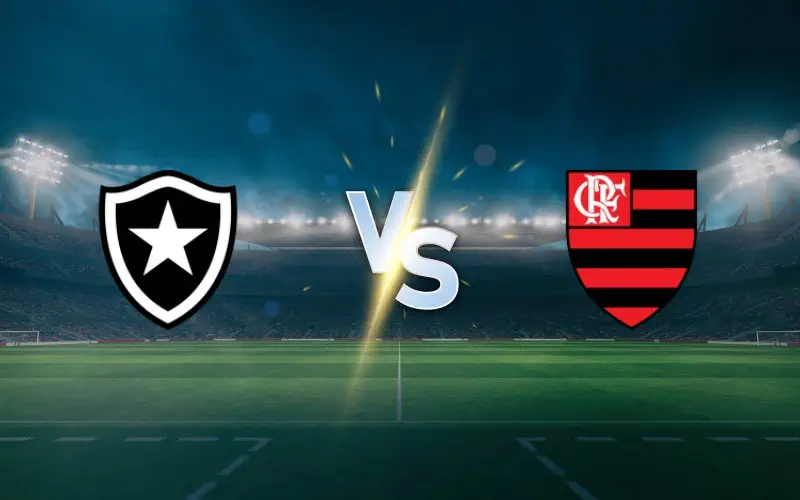
The rivalry between Botafogo and Flamengo is one of the most celebrated in Brazilian football, embodying not only the spirit of competition but also the cultural and social dynamics of Rio de Janeiro. This long-standing showdown, known as the “Clássico da Rivalidade,” captures the attention of fans across the country and the world, showcasing the intense passion associated with football in Brazil.
Historical Context
Botafogo de Futebol e Regatas, founded in 1894, and Clube de Regatas do Flamengo, established in 1895, have rich histories that contribute to their fierce rivalry. Over the years, both clubs have produced legendary players and won multiple titles, increasing their stakes during head-to-head encounters. Notably, the clubs have faced off over 400 times since their first match in 1912, with Flamengo winning the majority of these contests.
Recent Events
As of October 2023, the latest clash between these two giants occurred during the Campeonato Brasileiro Serie A, a high-stakes encounter that fans marked on their calendars. The match showcased incredible talent from both sides, with Flamengo’s attacking prowess continually tested by Botafogo’s defensive strategies. The game ended in a tense draw, reflecting the competitive nature of the rivalry and leaving both sets of supporters hopeful for future victories.
Significant Players
Over the years, both teams have fielded some of Brazil’s finest talents. Notable players from Flamengo include Zico, known for his unparalleled skill and scoring capability, and currently, when discussing key players, Gabriel Barbosa (Gabigol) remains a focal point of their attack. On the other hand, Botafogo has produced legends like Garrincha, who is often regarded as one of the greatest dribblers in football history. Presently, players like Tiquinho Soares have made a significant impact on their performances.
The Cultural Impact
The rivalry extends beyond just football; it represents a social and cultural divide in Rio, with millions of fans passionately supporting their clubs. Businesses and neighborhoods are often identified by their allegiance to either Botafogo or Flamengo, influencing local customs and interactions. The spectacle of the matches brings communities together, despite their differences, creating an electrifying atmosphere in and out of the stadium.
Conclusion
The Botafogo vs Flamengo rivalry continues to be a significant aspect of Brazilian football. As both clubs strive for success domestically and internationally, fans eagerly anticipate each new chapter in their history. With the growing popularity of football globally, the stakes in these matches cannot be overstated. For both clubs, every game represents not just a fight for points but a testament to their pride, culture, and tradition in one of the world’s most passionate footballing nations.