Introduction
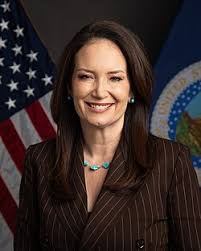
In the dynamic landscape of American policy-making, few figures stand out like Brooke Rollins. With an impressive track record in both public service and private sector leadership, she has emerged as a vital force driving innovation and policy reform across the nation. Understanding her contributions provides insight into the evolving dialogue surrounding governance and community engagement.
Key Achievements and Role
Brooke Rollins is currently the President and CEO of the America First Policy Institute (AFPI), a position she has held since July 2021. Under her leadership, AFPI has been instrumental in shaping conservative policy proposals that aim to tackle pressing national issues such as education reform, economic recovery, and public safety. Before her current role, Rollins served as the Director of the Domestic Policy Council under President Donald Trump, where she focused on initiatives that prioritized American families and job creation.
Contributions to Public Policy
During her tenure at the Domestic Policy Council, Rollins was pivotal in initiating the “Opportunity Now” program, which sought to improve workforce development through partnerships with the private sector. Her focus on empowering communities through economic opportunity reflects her commitment to bridging policy gaps and fostering inclusivity.
Additionally, Rollins has been a staunch advocate for educational reform. Her efforts have included promoting school choice and expanding educational opportunities for disadvantaged children, believing that every child, regardless of their background, deserves access to quality education.
Impact on Communities
Rollins’ initiatives have resonated with many Americans. Her focus on data-driven solutions seeks to address the root causes of social issues rather than just the symptoms. For instance, her engagement in criminal justice reform has been notable, aiming to enhance public safety while promoting fair treatment within the justice system.
The America First Policy Institute, under her guidance, has engaged with numerous stakeholders, including local leaders and policy-makers, to influence legislation directly affecting Americans’ daily lives. This participatory approach often highlights the importance of community input in shaping effective policies.
Conclusion
Brooke Rollins represents a significant figure in contemporary American politics, where leadership in policy innovation is crucial. Her successful career signifies the importance of proactive engagement in policy-making, aligning government initiatives with the needs of families and communities across the country. As she continues to influence the national dialogue, observers look forward to how her strategies might shape future policies and address persistent societal challenges.