Introduction
The relationship between Bulgaria and Turkey has historically been complex, shaped by their geographic proximity, shared history, and ethnic ties. As both countries navigate the geopolitical landscape of Southeast Europe, understanding the dynamics of their interactions is increasingly relevant, particularly in light of current events that challenge their diplomatic ties.
Current Relations
Recent developments have highlighted the importance of cooperation between Bulgaria and Turkey, particularly regarding economic ties and regional stability. In 2023, economic exchanges between the two nations reached new highs, with trade between Bulgaria and Turkey exceeding $4 billion. This economic diplomacy is crucial, especially as both countries face the wider implications of the ongoing conflict in Ukraine and rising energy prices. Turkey has been a key partner for Bulgaria in securing alternative energy routes and supplies, particularly as Bulgaria seeks to diversify its energy portfolio away from dependency on Russian sources.
Migratory and Ethnic Considerations
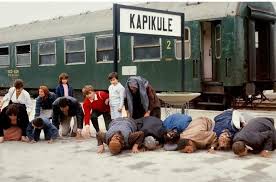
Another significant dimension of Bulgaria-Turkey relations is the migratory flows between the two countries. Bulgaria is home to a substantial Turkish minority, making issues of ethnic integration and rights paramount in bilateral discussions. In recent months, there have been tensions regarding border security, as Bulgaria has increased measures to manage immigration from Turkey, largely due to the ongoing refugee crisis fueled by conflict in neighboring regions. Turkish officials have criticized these measures, urging for a more humanitarian approach to asylum seekers.
Cultural Exchanges
Cultural ties have also played a pivotal role in shaping relations. Bulgaria and Turkey share a rich cultural heritage, with both countries celebrating historical figures and events that highlight their interconnected past. Efforts to promote cultural dialogue have been increasing, with joint events aimed at fostering understanding between Bulgarian and Turkish communities. In 2023, several cultural festivals highlighted traditions from both nations, showcasing music, arts, and cuisine that bridged the gap between their peoples.
Conclusion
In conclusion, the relationship between Bulgaria and Turkey is marked by both cooperation and challenges. As both countries navigate a rapidly changing political landscape, it will be crucial for them to prioritize dialogue and collaboration to address mutual concerns regarding economic stability, migratory pressures, and cultural integration. The future of Bulgaria-Turkey relations may serve as a critical barometer for broader regional stability in Southeast Europe. As they continue to build upon their historical ties, the need for constructive engagement will become ever more significant for both nations.