Introduction
Carolyn Bessette Kennedy, the wife of John F. Kennedy Jr., remains a significant figure in American culture due to her poise, style, and tragic story. Her life has been the subject of both admiration and scrutiny, embodying the complexities of public life and personal identity. As commemorations of her life continue, understanding her impact contextualizes her legacy against the backdrop of American history and celebrity culture.
A Seemingly Ordinary Start
Born on January 7, 1967, in White Plains, New York, Carolyn Bessette was raised in a well-to-do family. She graduated from Boston University with a degree in economics and initially worked in the fashion industry. Her career included significant roles in public relations, where she made connections that piqued the public’s interest in her. It was during her early career that she met John F. Kennedy Jr., the son of President John F. Kennedy, which would propel her into the public eye.
The Marriage and Public Life
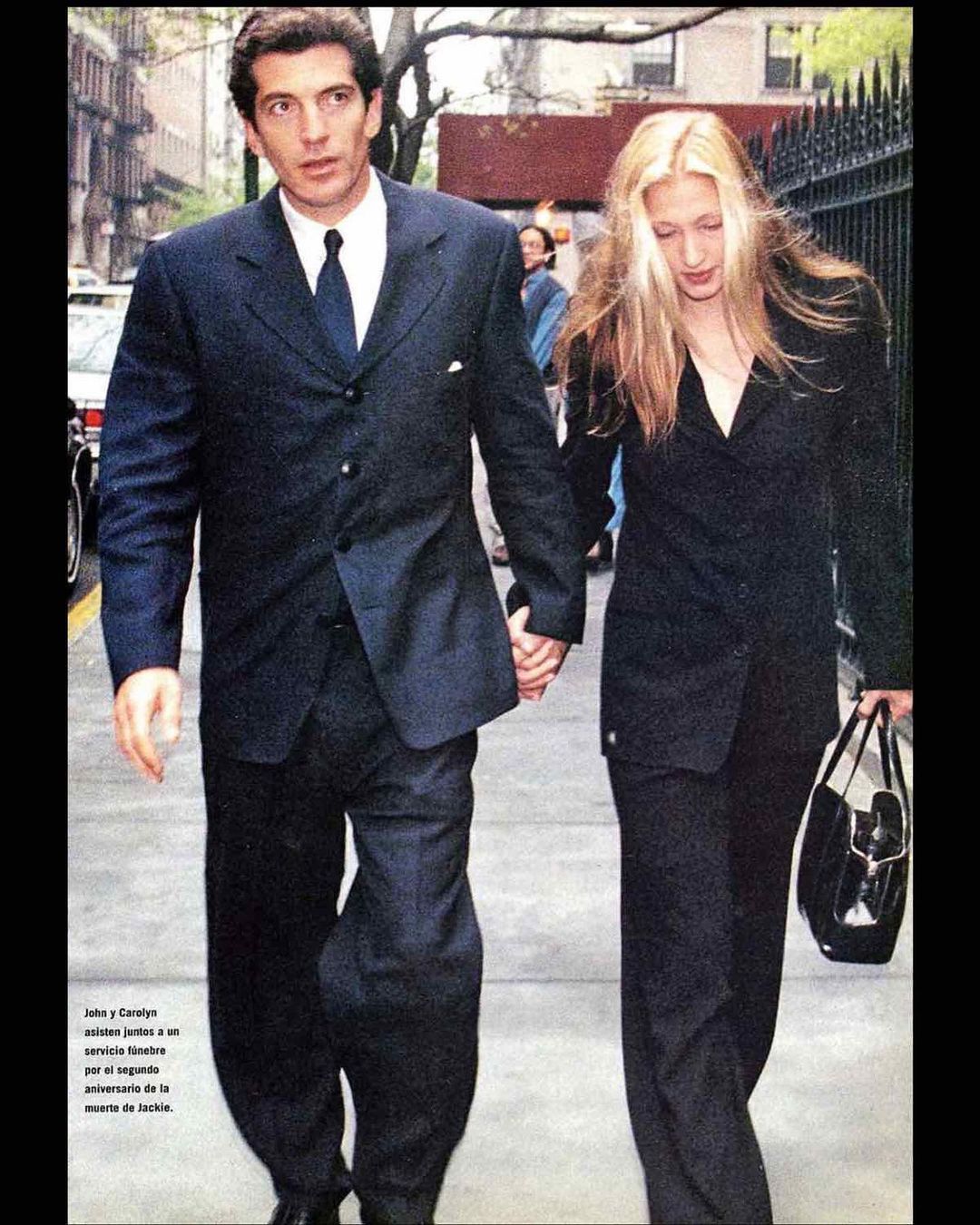
Carolyn and John F. Kennedy Jr. married in a private ceremony in 1996. Their relationship garnered extensive media attention, particularly due to the iconic Kennedy family legacy. Carolyn quickly became a style icon, known for her elegant and minimalistic fashion choices, which influenced the trends of the late 1990s. However, her life was not without challenges; she dealt with intense scrutiny from the media and the burden of public expectation as part of the Kennedy legacy.
The Tragic End
On July 16, 1999, Carolyn’s life was tragically cut short when she died in a plane crash alongside JFK Jr. and her sister Lauren. The news sent shockwaves across the nation, marking a somber moment for the public, who had closely followed her journey. Her sudden passing resonated deeply, as many mourned not only the loss of an individual but also what her life represented—a unique blend of grace and resilience.
Legacy and Influence
In the years following her death, Carolyn has been remembered for her contributions to fashion and her role in the Kennedy family narrative. Documentaries, articles, and books have continued to explore her life and influence, reflecting on the themes of celebrity culture, the pursuit of privacy, and the challenges faced by public figures. Carolyn Bessette Kennedy serves as a reminder of the complexities that come with fame and the lasting impact one can have despite a life that was tragically brief.
Conclusion
As we continue to honor Carolyn Bessette Kennedy’s legacy, it becomes apparent that her life story holds lessons on the nuances of identity, public perception, and the human experience. Understanding her journey not only enriches our knowledge of American history but also prompts us to reflect on the intricate interplay between public life and personal truth.