Introduction
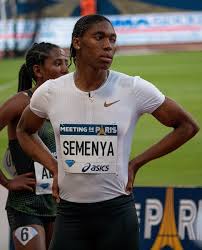
Caster Semenya, the South African middle-distance runner and double Olympic gold medalist, remains at the forefront of an ongoing debate surrounding gender and sports regulations. Her situation raises important questions about the intersection of biology, fairness, and the spirit of competition. As Semenya seeks to carve her own path amidst changing policies, her story continues to resonate worldwide.
The Controversy Surrounding Semenya
Born on January 7, 1991, Semenya first gained international attention with her victory in the 800 meters at the 2009 World Championships in Berlin. However, shortly after her victory, questions about her gender and eligibility arose, leading to a series of regulations imposed by World Athletics, formerly known as the IAAF. In 2019, the governing body implemented new rules mandating that female athletes with naturally high testosterone levels must lower their hormone levels to compete in events ranging from 400m to 1 mile.
Semenya, who has naturally higher levels of testosterone due to a condition known as hyperandrogenism, has challenged these regulations in court. Her landmark legal battles have seen her appeal to the Swiss Federal Tribunal and the European Court of Human Rights. While these courts upheld certain regulations, they also stressed the need for sports organizations to respect the rights of athletes.
Recent Developments
In June 2023, Semenya announced her intention to compete in the 2024 Paris Olympics, an endeavor aimed at reclaiming her place in the sport she loves. However, the existing regulations still prohibit her from competing in her preferred distances without undergoing treatment to lower her testosterone levels, which she has consistently resisted. Her plan to compete reflects her deep desire not only to participate but to advocate for athletes facing similar struggles.
The Broader Implications
The controversies surrounding Caster Semenya highlight a broader discussion in competitive sports regarding gender, equality, and biological variations. The impact of regulations on athletes’ abilities and rights has sparked debate among sports officials, human rights advocates, and the public. As more athletes come forward with similar conditions, the need for inclusive policies becomes increasingly crucial.
Conclusion
Caster Semenya’s journey exemplifies the challenges faced by many athletes grappling with identity, regulations, and the quest for equality in sports. As she continues her fight, both in and out of the court, she shines a light on the pressing need for dialogue surrounding gender, athletics, and human rights. This ongoing saga not only affects Semenya but also sets a precedent for future policies that could define the landscape of competitive sports for years to come.