Introduction
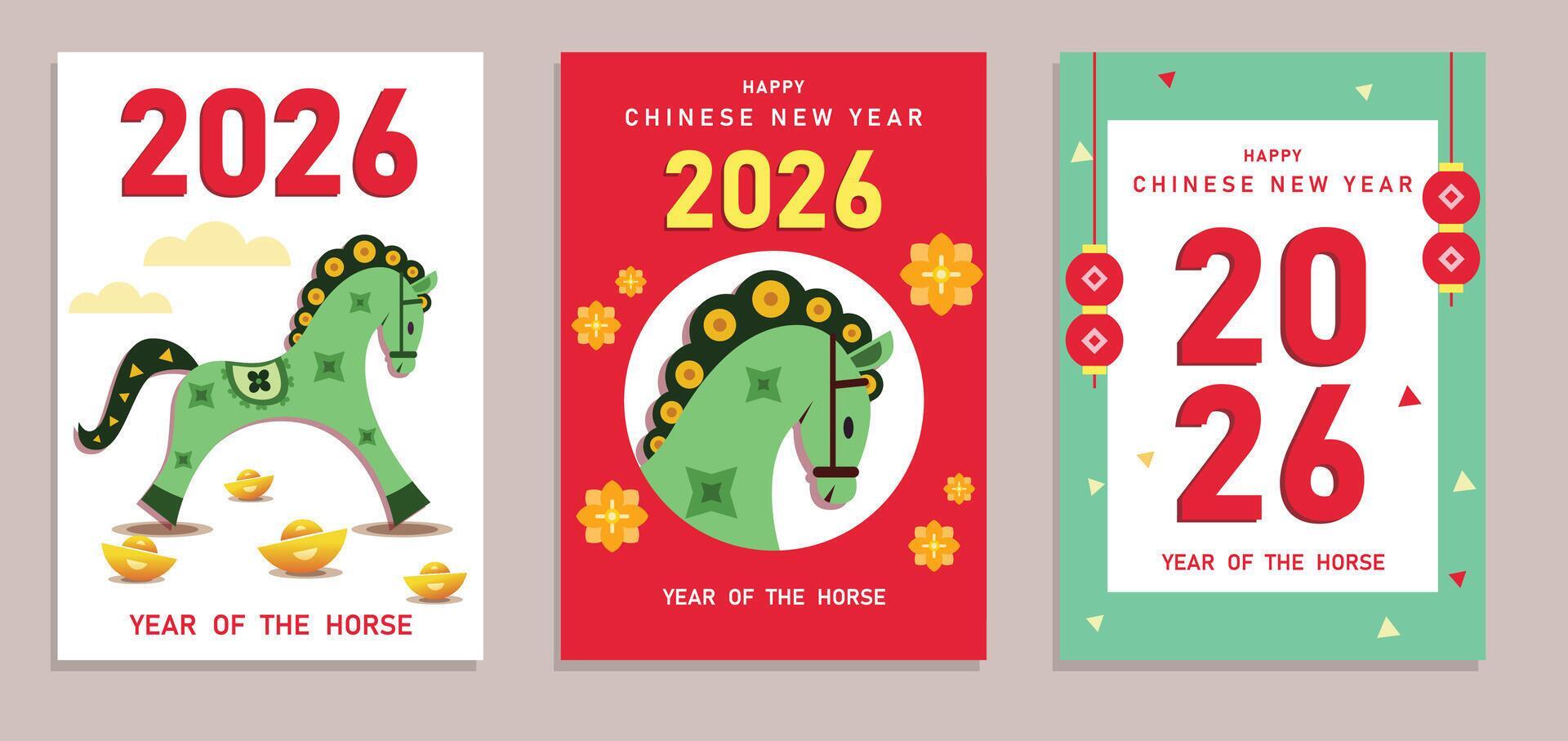
Chinese New Year, also known as Lunar New Year, is one of the most important festivals celebrated by millions around the world. In 2026, the festival falls on February 17, marking the beginning of the Year of the Fire Horse. This celebration is not only a time for family gatherings and reunion dinners but also an opportunity to embrace cultural traditions passed down through generations, highlighting its relevance in promoting cultural heritage and community unity.
Historical Significance
The Chinese New Year is steeped in history, originating from ancient agrarian traditions and various myths. The legend of the mythical beast Nian, which used to terrorize villages, is a central tale that explains customs such as setting off fireworks and wearing red, as these elements are believed to ward off evil spirits. Each year corresponds to one of the 12 animals in the Chinese zodiac, and 2026 celebrates the Fire Horse, symbolizing strength, energy, and the spirit of adventure.
Festivities and Celebrations
In 2026, preparations for the Chinese New Year will begin well in advance. Homes will be meticulously cleaned to sweep away bad luck and make way for incoming good luck. Families will decorate their homes with red lanterns, banners, and paper cuttings symbolizing wealth and happiness. The festival kicks off with reunion dinners on New Year’s Eve, where family members feast on traditional dishes, each symbolizing prosperity and auspiciousness.
Throughout the 15-day festival, various customs and celebrations will occur, including lion and dragon dances, parades, and traditional performances that showcase Chinese culture. The culmination of the celebrations is the Lantern Festival, where colorful lanterns illuminate the night sky, marking the end of the New Year festivities.
Global Celebrations
As the influence of Chinese culture spreads globally, cities like San Francisco, New York, Sydney, and London gear up for significant celebrations. These events not only cater to the Chinese community but also invite everyone to join the festivities, creating an inclusive environment to experience and appreciate the rich traditions. Events often include street fairs, cultural exhibitions, and firework displays, fostering a sense of community and cultural exchange.
Conclusion
Chinese New Year 2026 promises to be a vibrant celebration of heritage and family values. As the world becomes increasingly interconnected, the festival provides an opportunity for global citizens to come together, learn about Chinese culture, and cherish the universal values of hope and renewal. As communities prepare for the Year of the Fire Horse, anticipation builds for a time of joy, prosperity, and new beginnings.