Introduction
Dia de los Muertos, or Day of the Dead, is a cherished Mexican holiday that celebrates the lives of deceased loved ones, blending indigenous and Catholic beliefs. As this vivid festival approaches in 2025, its significance resonates with millions around the world. This cultural observance not only honors the dead but also embraces life, serving as a reminder of the deep connections we maintain with those who have passed on.
History and Significance
Originating from ancient Mexican traditions, Dia de los Muertos is celebrated annually on November 1st and 2nd, coinciding with All Saints’ Day and All Souls’ Day. The holiday encompasses various customs such as building altars (ofrendas) adorned with photographs, mementos, and favorite foods of the deceased. In 2008, UNESCO recognized Dia de los Muertos as an Intangible Cultural Heritage of Humanity, further emphasizing its global importance.
Celebrations in 2025
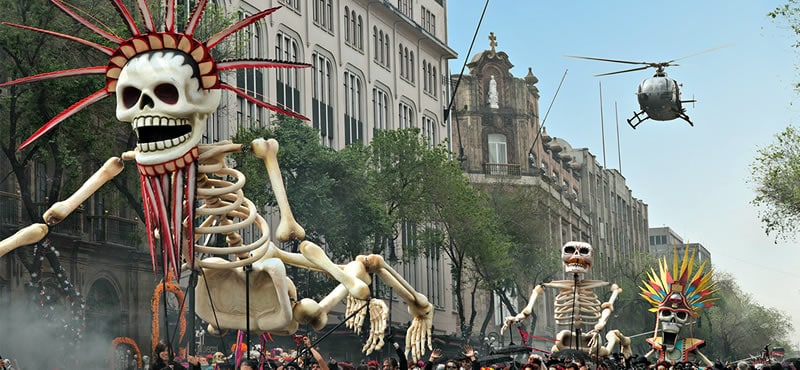
The 2025 celebration of Dia de los Muertos promises to be a colorful and lively event, with preparations starting well in advance. Communities across Mexico and in U.S. cities with significant Mexican populations, such as Los Angeles, San Antonio, and Chicago, are expected to host parades and festivals featuring traditional music, dance, and art. Altars will be decorated in public squares, and families will gather to remember and celebrate their loved ones.
Local Events
In 2025, meshing local cultures with traditional customs is on the rise. Community events will showcase vibrant calaveras (skulls), workshops for children to create paper marigolds (cempasúchil), and sessions on sugar skull decorating. As global audiences become more engaged, online resources and social media will also facilitate virtual celebrations, ensuring that Dia de los Muertos transcends geographic boundaries.
Virtual Celebrations and Global Influence
Due to the growing adoption of virtual events stemming from the pandemic, 2025 will likely see more digital offerings, allowing individuals to participate anywhere. This global influence will integrate a multi-cultural approach, with various artistic interpretations and modern adaptations of traditional practices. This melding of cultures enhances understanding and encourages worldwide participation.
Conclusion
As we look forward to Dia de los Muertos 2025, the festival’s importance grows ever more significant in a connected world. It serves as a poignant reminder of mortality, heritage, and the enduring relationships we have with our loved ones, both living and departed. The vibrant celebrations unite people of all ages and backgrounds, fostering an appreciation for cultural diversity that can inspire respect and love across borders.