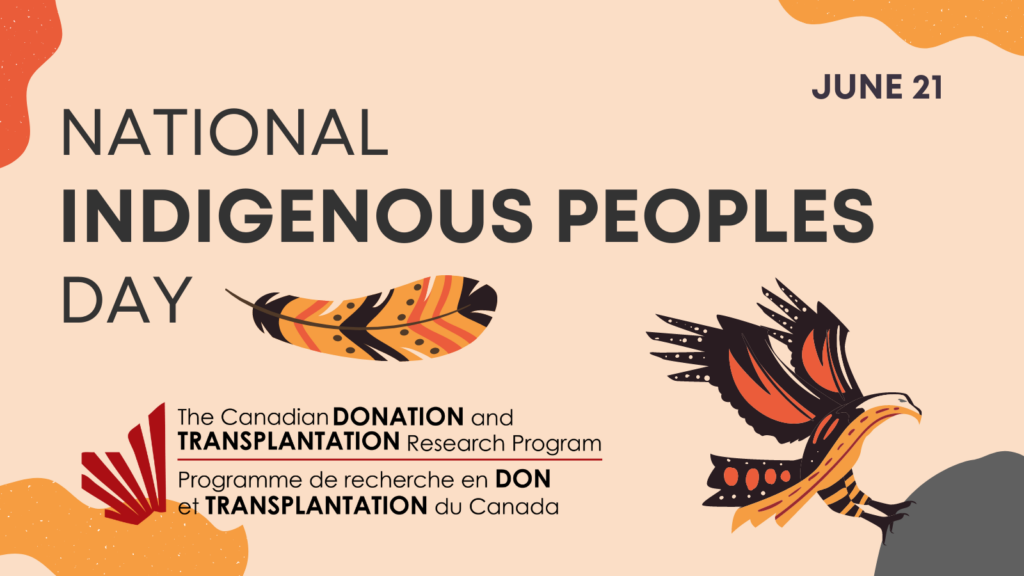
The Importance of Indigenous Peoples Day
Indigenous Peoples Day, recognized in various parts of the United States, serves as a significant reminder of the rich history, culture, and contributions of Native Americans. Established to counter Columbus Day, this observance highlights the ongoing struggles and injustices faced by indigenous communities and encourages awareness and education around this vital aspect of American history.
Origins and Observance
The first Indigenous Peoples Day was celebrated in 1990 during a conference in Berkeley, California. It aimed to promote education about indigenous history, culture, and rights while also challenging the narratives surrounding Christopher Columbus and colonization. Over the years, numerous states and cities have adopted Indigenous Peoples Day as an official holiday, with South Dakota and Hawaii being among the first to do so. Currently, more than 15 states and many municipalities officially recognize the day.
Events and Celebrations
Each year, various events and activities take place to honor Indigenous Peoples Day. These include cultural festivals, educational workshops, art exhibitions, and community gatherings that showcase the rich traditions and artistic expressions of Native American communities. In cities like Minneapolis, where the day is officially recognized, local organizations often hold immersive events that focus on indigenous education, storytelling, and advocacy.
Challenges Ahead
Despite the growing support for Indigenous Peoples Day, challenges remain. Many states still recognize Columbus Day, sparking debates over historical representation and cultural sensitivity. Activists and indigenous leaders continue to call for a broader recognition of indigenous rights, self-determination, and reparations for historical injustices.
Conclusion
Indigenous Peoples Day serves as an essential platform for acknowledging the past, celebrating indigenous cultures, and advocating for justice in the present. As awareness of the significance of this day continues to grow, it encourages deeper discussions regarding the rights and recognition of indigenously rooted communities in the U.S. Moving forward, it’s crucial for individuals, schools, organizations, and governments to engage in conversations about history and legacy, fostering a more equitable future for all citizens.