Introduction
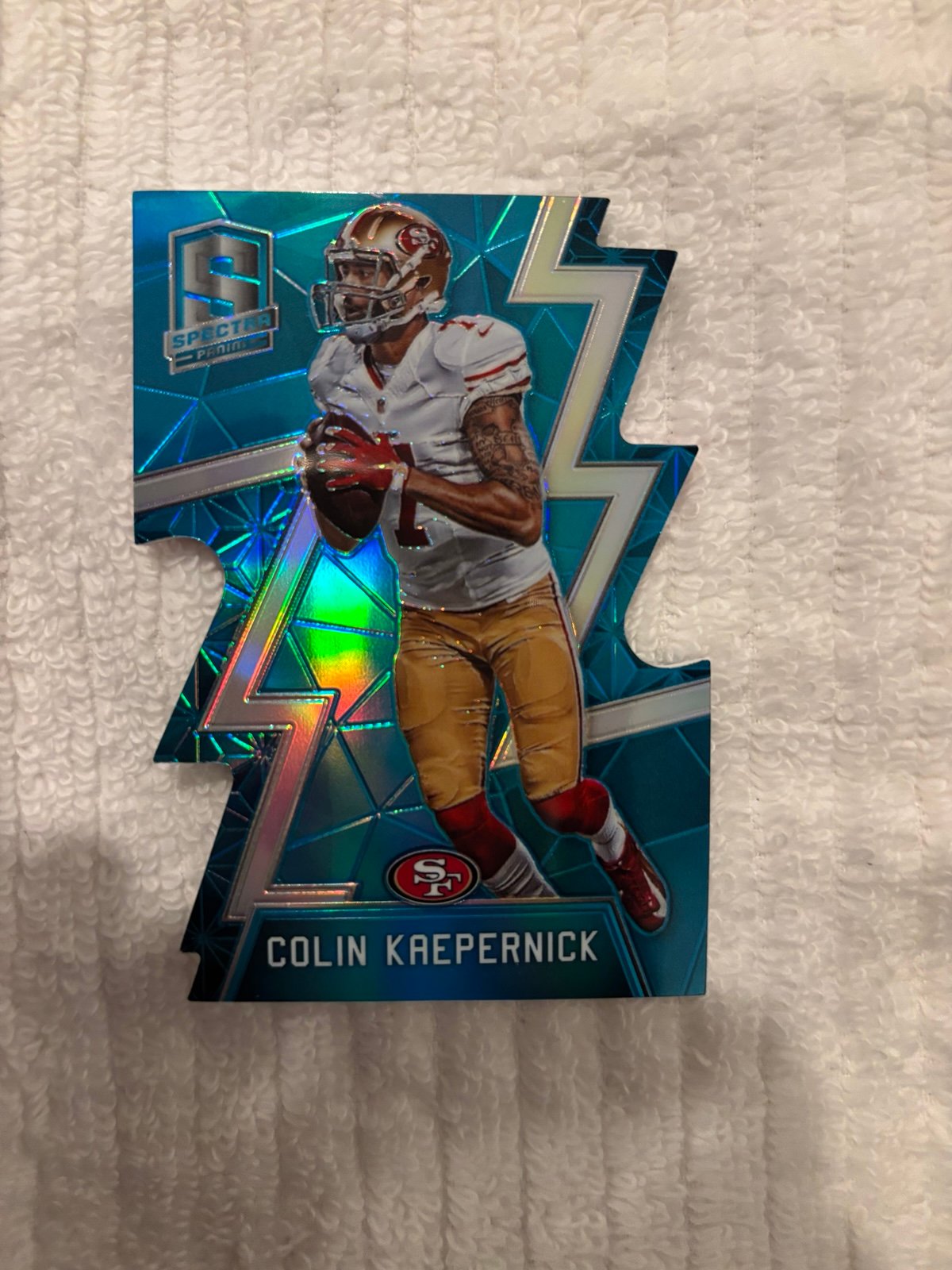
Colin Kaepernick, the former NFL quarterback, has become a significant figure in both sports and social justice activism. His choice to kneel during the national anthem has sparked debate about race, equality, and freedom of expression in America. As discussions around these issues continue to evolve, Kaepernick’s actions remain relevant in a society grappling with systemic racism and inequality.
Kaepernick’s NFL Career
Colin Kaepernick was drafted by the San Francisco 49ers in the second round of the 2011 NFL Draft. He rose to fame in the 2012 season, leading his team to Super Bowl XLVII, where they narrowly lost to the Baltimore Ravens. His impressive athletic skills, coupled with a strong work ethic, positioned him as a formidable quarterback, but his career took an unexpected turn in 2016.
The National Anthem Protest
In 2016, during a preseason game, Kaepernick chose to kneel during the national anthem as a protest against racial injustice and police brutality in the United States. Recognizing his privilege as a professional athlete, Kaepernick aimed to draw attention to the systemic oppression faced by African Americans. This act of protest ignited a nationwide conversation and faced both support and backlash, leading to significant divisions among fans, commentators, and press alike.
Impact and Aftermath
Following his protest, Kaepernick faced repercussions, including becoming a free agent and remaining unsigned after the 2016 season. His courage sparked a movement within the NFL, with many players joining the protest in solidarity. Kaepernick’s actions not only impacted the NFL but also inspired athletes across various sports to use their platforms for social justice. In 2018, the NFL reached a settlement with Kaepernick and Eric Reid regarding their collusion claims against the league, highlighting the challenging dynamics athletes face when they voice their beliefs.
Legacy and Future
Colin Kaepernick has transformed into a symbol of resistance, advocating for social justice through his organization, the Know Your Rights Camp. His activism continues to influence a new generation of athletes who feel empowered to speak out on critical issues facing their communities. Looking ahead, the discourse on racial equality and activism in sports is likely to grow, with Kaepernick at the forefront as a reminder of the potential consequences and significance of taking a stand.
Conclusion
Colin Kaepernick’s legacy extends beyond the football field; he has become an emblem of activism in sports, challenging the status quo and promoting awareness of racial injustice. As society continues to address these issues, Kaepernick serves as a critical figure in the ongoing struggle for equality and social change. His story encourages open discussions about the intersection of sports and activism, reminding us of the power athletes hold in shaping societal narratives.