Introduction
Iceland and Ukraine, two European nations with rich histories and unique cultures, often draw interest for various reasons ranging from their landscapes to their geopolitical significance. Understanding the differences and similarities between these two countries is essential, especially in the context of current events such as international relations, sporting events, and cultural exchanges. Amidst recent developments, this article delves into a comparative analysis of Iceland and Ukraine, shedding light on their landscapes, economies, and cultural heritage.
Geography and Environment
Iceland, often referred to as the “Land of Fire and Ice,” is known for its majestic landscapes that include glaciers, volcanoes, and geysers. Covering an area of 103,000 square kilometers, it is one of Europe’s least densely populated countries, with a population of approximately 366,000. On the other hand, Ukraine, the largest country in Europe by area, spans 603,500 square kilometers and boasts a population of around 41 million. Its varied geography ranges from the Carpathian Mountains to vast plains, contributing to its agricultural significance.
Economic Profiles
The economies of Iceland and Ukraine are distinct. Iceland’s economy is primarily based on fishing, tourism, and renewable energy, contributing significantly to its GDP. In 2022, Iceland’s GDP reached approximately $24 billion, showing a recovery as tourism rebounded post-pandemic. Ukraine, however, faces significant challenges, particularly due to the ongoing conflict with Russia, which has severely impacted its economy. Despite these challenges, Ukraine’s vast agricultural sector positions it as a major player in global food production. Estimates suggest that Ukraine’s GDP was around $195 billion in 2021, but the war has led to drastic declines.
Cultural Heritage
Both nations possess rich cultural heritages. Icelandic culture is deeply rooted in Norse traditions, with literature, particularly the Sagas, playing a pivotal role. The Icelandic language is one of the oldest languages in Europe and remains relatively unchanged since the 12th century. In contrast, Ukraine boasts a diverse cultural tapestry influenced by various historical events and its geographic location. Ukrainian music, art, and traditional clothing such as vyshyvanka highlight its rich folklore and history.
Sports Rivalry and International Relations
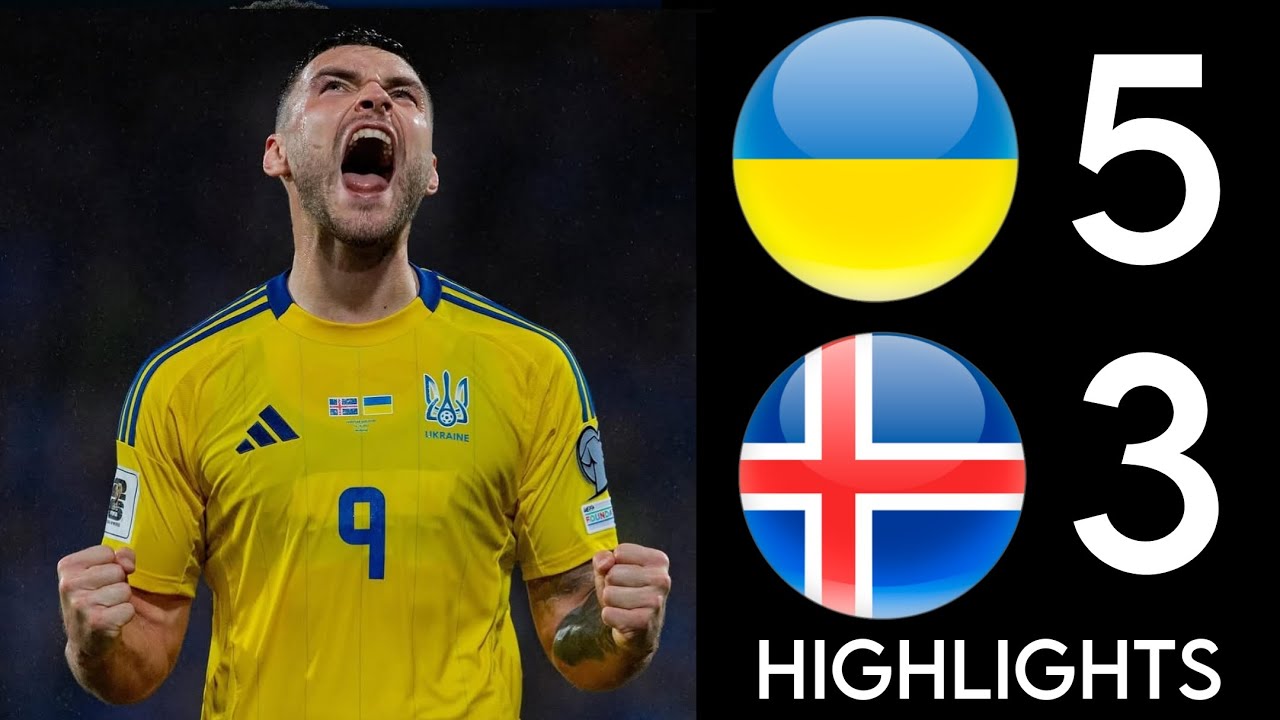
In recent years, both countries have participated in international sporting events, including soccer, leading to memorable matches and regional rivalries. The sporting culture in both nations, while different in scale, showcases their commitment to athletic excellence and community involvement.
Conclusion
The comparison between Iceland and Ukraine highlights not only the stark contrasts in geography and economy but also the unique cultural identities that define each nation. As Ukraine continues to navigate through its challenging circumstances, the resilience of its people and culture remains integral. Meanwhile, Iceland continues to thrive, showcasing its natural beauty and cultural richness. Understanding these dynamics is crucial for readers who seek insight into the broader European context and the implications that arise from the international landscapes.