Introduction
Cuba, the largest island in the Caribbean, has long been a subject of fascination due to its rich culture, history, and complex political landscape. Emerging from decades of economic transformations and political changes, Cuba is at a crossroads that holds importance not just for its citizens but also for global politics and tourism. Understanding Cuba today requires examining both its vibrant culture and its ongoing political developments.
Political Landscape
In recent months, political activities in Cuba have gained international attention, especially in light of economic reforms initiated by the Cuban government. Since the end of the Cold War, Cuba has faced numerous economic challenges, exacerbated by U.S. sanctions and the pandemic’s impact. The government has been urged to move towards a more market-oriented economy, which includes steps taken to increase the role of small enterprises. In July 2021, protests erupted in several cities, reflecting widespread discontent regarding food shortages and rising prices.
The returns of the protests underscored a new wave of civic awareness among Cubans, particularly among the youth who utilize social media to voice their grievances. In response to these developments, the government has intensified its control over dissent, raising concerns about human rights violations and freedom of expression.
Cultural Richness
While politics plays a crucial role in shaping contemporary Cuba, the island’s cultural heritage is equally significant. With its vibrant music scene, traditional dances, and rich culinary arts, Cuba is an epicenter of cultural exchange. The local music genres, such as son and salsa, have gained global acclaim, drawing tourists and artists alike. Festivals celebrating Afro-Cuban culture have also illuminated the island’s diverse history, showcasing its African and Spanish influences.
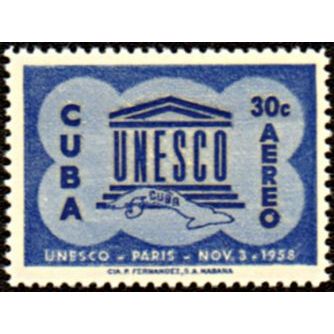
This cultural vibrancy is not just a tourist attraction but a vital aspect of Cuban identity. UNESCO has recognized several sites in Cuba, including Old Havana and the tobacco fields of the Viñales Valley, highlighting the island’s commitment to preserving its cultural heritage amidst ongoing change.
Conclusion
As Cuba navigates through its economic and political challenges, the island’s cultural richness remains a beacon of resilience and identity. The current political climate, marked by protests and calls for reform, presents both challenges and opportunities for the nation. Going forward, the international community will be watching closely as Cuba strives to balance tradition with the demands of a modern economy, potentially leading to new avenues for engagement and collaboration.