Introduction
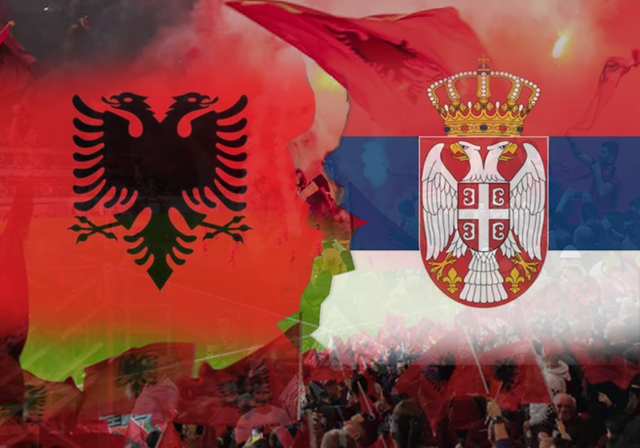
The relationship between Serbia and Albania remains a significant topic in the Balkans, as it directly influences regional stability and cooperation. With a history rife with tension, understanding the contemporary dynamics between these two nations has become increasingly important, particularly as they navigate issues of mutual concern such as territorial disputes, ethnic tensions, and aspirations for European Union integration.
Recent Developments
In recent months, Serbia and Albania have shown a willingness to engage in dialogue, despite historical apprehensions. High-level meetings have been convened aimed at improving bilateral relations and addressing ongoing disputes, particularly regarding the historical status of Kosovo, which Serbia still claims as its territory, while Albania recognizes Kosovo’s independence.
In July 2023, the two countries’ leaders met at a regional summit in Ohrid, North Macedonia, where they discussed cooperation on various issues, including trade, security, and infrastructure development. This summit marked a pivotal moment as both sides expressed commitment to enhance trade ties, which have seen a steady increase over the past years. Notably, bilateral trade reached approximately €300 million in the first half of 2023, signifying an upward trend.
Challenges and Tensions
Despite these positive strides, underlying challenges persist. Ethnic tensions remain a critical issue, as both nations grapple with the legacy of the Yugoslav Wars. These tensions were further exacerbated by nationalist sentiments that occasionally disrupt diplomatic efforts. In August 2023, a protest occurred in Albania against a proposed cultural agreement with Serbia, which some locals believe would undermine Albania’s national identity.
Furthermore, Serbia’s foreign policy alignment with Russia has raised alarms in Albania and among other NATO allies, given the geopolitical implications of Russian influence in the Balkans. This concern was reiterated during a recent NATO exercise in the region, where Albania played a prominent role, contrasting with Serbia’s partnerships.
Looking Ahead
The road to improving relations between Serbia and Albania will undoubtedly require persistent diplomatic efforts and a measured approach to addressing the historical grievances that linger between both nations. With the European Union encouraging Balkan cooperation as a pathway to future membership, both countries may find enhanced motivation to prioritize dialogue over conflict.
As regional dynamics continue to evolve, the potential for improved Serbia-Albania relations remains, although the journey ahead is fraught with challenges that demand thoughtful negotiation and compromise.
Conclusion
In conclusion, the relationship between Serbia and Albania in 2023 is one marked by cautious optimism bolstered by ongoing dialogues and economic cooperation. However, historical grievances and nationalism can quickly reignite tensions. As both nations aim for EU integration, their ability to navigate these complexities will not only impact their bilateral relations but also the broader stability of the Balkan region.