Introduction
As homeownership remains a key goal for many Americans, understanding mortgage rates is crucial. Today, the 30-year mortgage rate serves as a standard benchmark for long-term home financing. Tracking these rates is especially important in a fluctuating economy where market conditions can greatly influence borrowing costs.
Current Rates and Economic Context
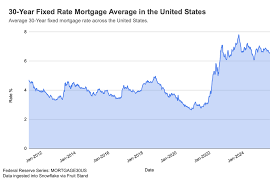
As of today, the average 30-year fixed mortgage rate stands at approximately 7.30%, a slight increase from last week’s average of 7.25%, according to data from Freddie Mac. This increase comes amid ongoing Federal Reserve actions to combat inflation, which have led to a cautious economic environment. Despite this rise, the rate remains competitive compared to historical data, though it’s significantly higher than the record lows seen during the pandemic.
Many economists believe that the upward trend in mortgage rates is related to ongoing economic recovery efforts and shifts in monetary policy. As inflation remains above the Fed’s target, further interest rate hikes loom on the horizon, which could lead to even higher mortgage rates in the coming months.
Impact on Homebuyers
The increase in mortgage rates presents challenges for prospective homebuyers. Higher rates often translate to higher monthly payments, which can deter some buyers from entering the market or push them towards lower-priced homes. Additionally, current homeowners may choose to hold onto their properties longer due to the reluctance to give up their low mortgage rates acquired in previous years. This potentially tightens housing inventory and raises prices further, complicating the market dynamics.
For many prospective buyers, the ongoing economic fluctuations mean they must evaluate their purchasing power carefully. Financial experts recommend working with mortgage professionals to understand the options available, including adjustable-rate mortgages, which may offer lower initial rates.
Conclusion
In summary, the current landscape of 30-year mortgage rates today reveals a complex interplay of economic factors that continue to evolve. As rates increase, homebuyers must adapt to a tighter market and rising costs. Going forward, analysts suggest that prospective homeowners should act prudently—considering both their financial readiness and the broader economic indicators that will influence mortgage rates in the months to come. Keeping abreast of rate changes and consulting with financial advisors will be crucial for anyone looking to navigate the home buying process effectively.