Introduction
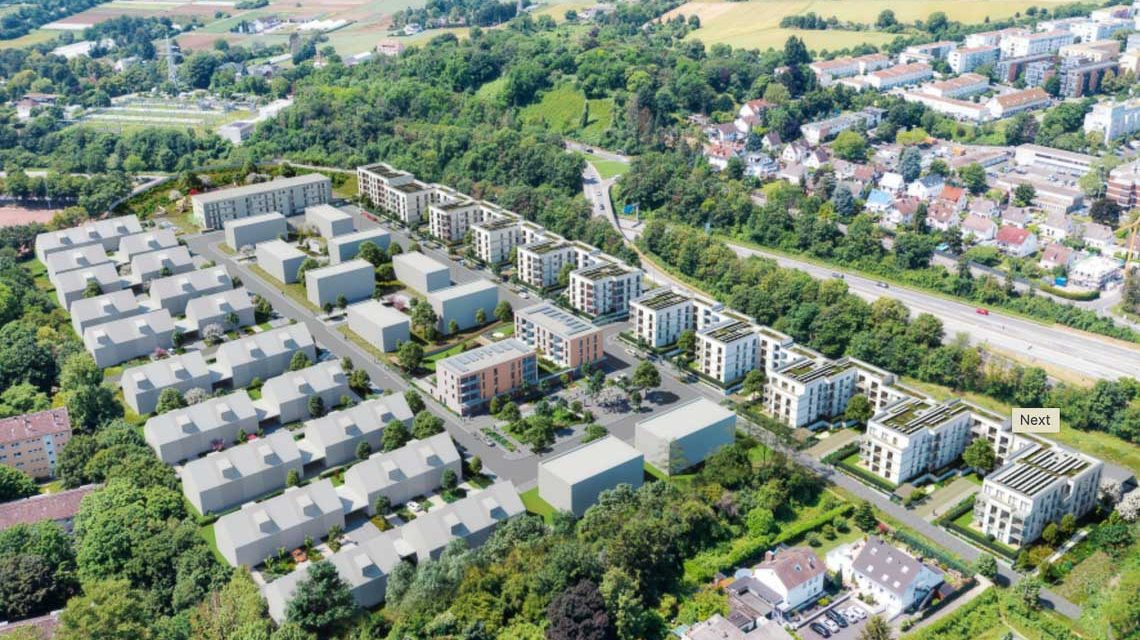
As the housing market continues to evolve, housing development has become a critical factor in addressing the pressing needs for affordable and sustainable living options. With urbanization on the rise and population growth straining existing resources, understanding current trends in housing development is more pertinent than ever. This topic not only affects potential homeowners but also influences local economies and the future of urban planning.
Recent Developments
In recent months, several major housing developments have been announced across the United States. In cities like Austin, Texas, and Seattle, Washington, property developers are leaning towards mixed-use projects that integrate residential, commercial, and recreational spaces. This approach aims to create vibrant communities that reduce reliance on cars and promote walkability.
Moreover, the COVID-19 pandemic has shifted priorities, with an increased demand for housing that includes designated work-from-home spaces. This trend is evident in new housing projects where developers are incorporating home offices and flexible living spaces into their designs. According to data from the National Association of Home Builders, 52% of new single-family homes built in 2023 incorporate a home office.
Challenges Faced
Despite these positive developments, the housing industry is grappling with significant challenges. The ongoing supply chain disruptions caused by the pandemic have resulted in increased costs for materials, leading to higher prices for new homes. Additionally, fluctuating interest rates have created uncertainty for potential buyers, further impacting market dynamics.
Local governments are also stepping up regulations to encourage sustainable and environmentally-friendly construction practices. However, these regulations can sometimes slow down project timelines as developers navigate new compliance requirements.
Conclusion
The landscape of housing development is rapidly changing, influenced by economic factors, shifts in consumer preferences, and regulatory pressures. For prospective homeowners and investors, staying informed about these trends is crucial for making sound decisions. As cities continue to adapt to the dual pressures of population growth and environmental sustainability, the future of housing development promises to bring innovative solutions that prioritize both livability and accessibility. Looking ahead, the emphasis on sustainability and community integration will likely define the next wave of housing projects across the nation.