Introduction
JP Morgan Chase & Co. (JPM) has long been a leading name in the financial services industry, and its stock performance is closely watched by investors and analysts alike. As one of the largest banks in the United States, trends in JPM stock not only reflect the bank’s health but also serve as indicators of broader economic trends. With recent developments in the interest rate environment and geopolitical factors affecting the markets, understanding JPM’s stock performance is crucial for both seasoned investors and those new to the market.
Recent Performance
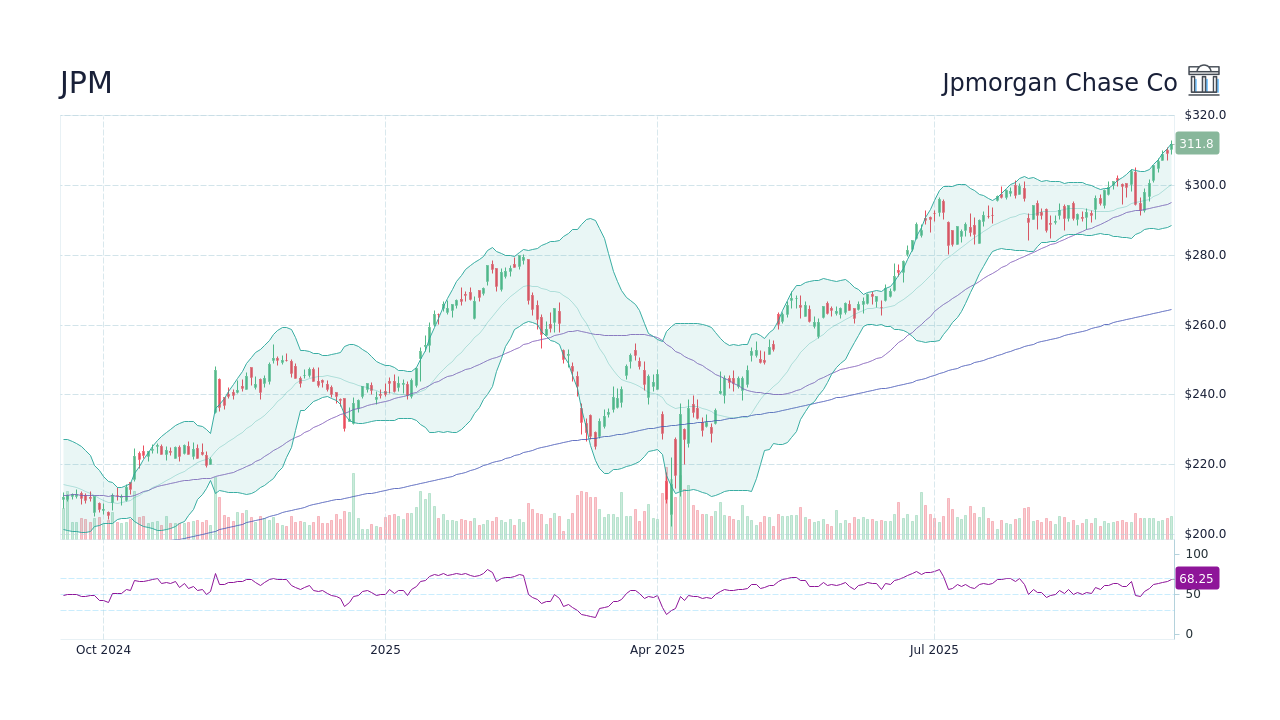
Over the past few months, JPM stock has experienced fluctuations due to a combination of market dynamics, including changes in interest rates set by the Federal Reserve and evolving consumer sentiment. As of mid-October 2023, JPM’s stock price has seen a year-to-date increase of approximately 15%, demonstrating resilience in a volatile market. The bank’s recent quarterly earnings report highlighted a rise in net income, attributed to increased lending activity and an improved net interest margin.
The growth aspect of JP Morgan’s stock is backed by strong fundamentals. Analysts have noted that its diversified revenue streams—from consumer banking to investment banking—provide a solid buffer against economic downturns. Moreover, the company’s commitments to technology investments and digital banking services position it favorably against fintech competitors.
Factors Influencing JPM Stock
Several factors currently influence the performance of JPM stock. First, shifts in monetary policy, particularly changes in interest rates, will be significant. With the Fed indicating possible interest rate hikes, this could boost profit margins for banks like JPM through higher loan rates. Conversely, a slow labor market recovery could dampen consumer spending, impacting JPM’s revenue.
Additionally, regulatory considerations also come into play. Increased scrutiny on banking practices and potential regulatory changes may affect JPM’s operational efficiency and, in turn, its stock performance. Market sentiment around the financial sector is also wary due to geopolitical uncertainties, which can create headwinds for banks’ international operations.
Conclusion
Looking ahead, analysts remain cautiously optimistic about JPM stock’s outlook, projecting continued growth in the coming quarters, barring any major economic disruptions. Investors should keep a close eye on economic indicators, Federal Reserve announcements, and earnings reports, as these will offer insights into potential stock performance. With the financial sector adapting to new technologies and changing regulations, JPM’s ability to navigate these challenges will be crucial for its sustained success and stock value.