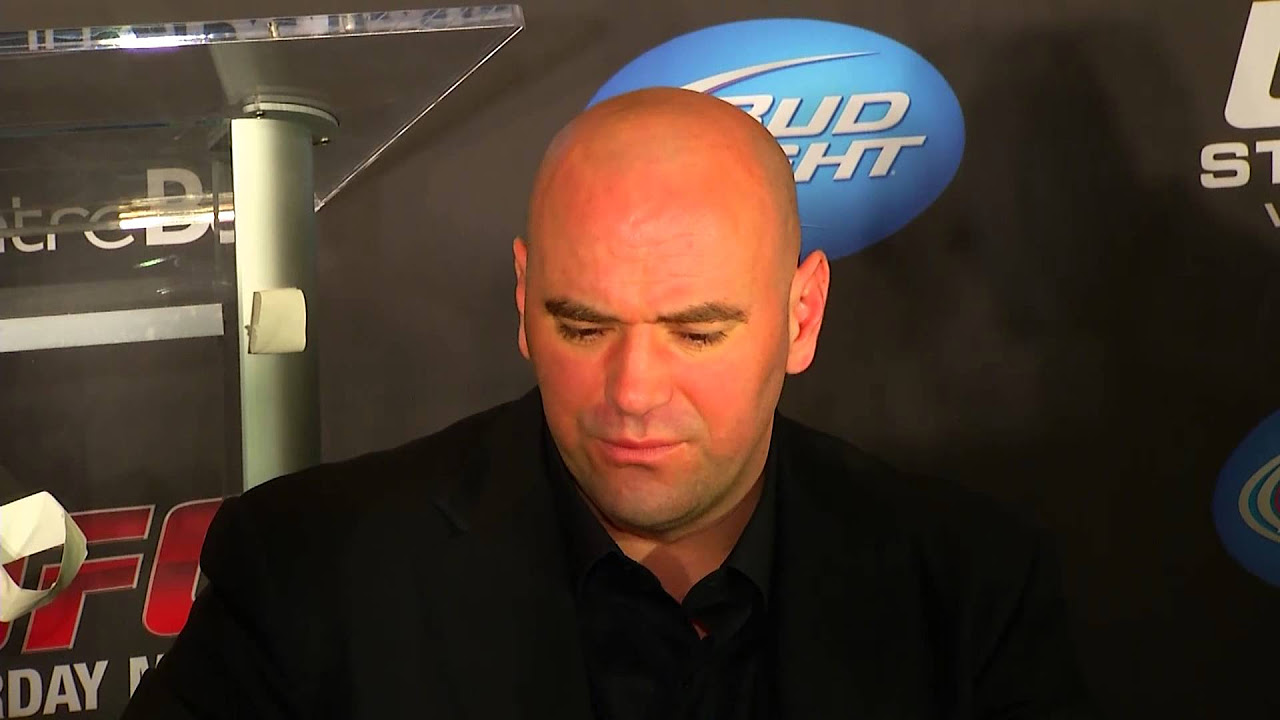
Introduction
Dana White has been a pivotal figure in mixed martial arts (MMA) and is largely credited with transforming the sport into a multi-billion dollar industry. As the President of the Ultimate Fighting Championship (UFC), White’s vision and leadership have not only shaped the organization but have also changed perceptions of MMA worldwide. In an era where sports and entertainment merge, White’s influence continues to reverberate through the industry, making his contributions highly relevant today.
Background and Rise to Prominence
Born on July 28, 1969, in Manchester, Connecticut, Dana White began his career in the sports industry as a manager for fighters. His big break came in 2001 when he was appointed President of the then-struggling UFC, which was near bankruptcy. Through strategic marketing and a commitment to professionalism, White revitalized the organization, securing a significant television deal and mainstream exposure.
Key Developments Under Dana White’s Leadership
One of the most significant milestones in Dana White’s tenure was the introduction of The Ultimate Fighter reality series in 2005, which played a crucial role in popularizing the sport. This initiative not only showcased fighters’ skills but also allowed fans to connect with their journeys, creating a loyal following. Today, UFC is recognized as a leader in combat sports, hosting events in locations worldwide and drawing millions of pay-per-view viewers.
In recent years, White has also spearheaded the UFC’s expansion into international markets, further solidifying its global footprint. The organization currently boasts an impressive roster of elite fighters, including the likes of Conor McGregor, Amanda Nunes, and Israel Adesanya, who have contributed to the sport’s popularity.
Current Events and Future Prospects
As of 2023, Dana White continues to face numerous challenges, including the need to navigate fighter health and safety, contractual negotiations, and the growing competition from other combat sports organizations. Recently, the UFC has adopted new safety protocols and fighter compensation models to ensure the well-being of participants while maintaining profitability.
Looking ahead, White has expressed interest in expanding UFC’s presence in various regions, including Asia and Europe. The introduction of innovative broadcasting technologies and potential partnerships with digital platforms could further revolutionize how fans engage with the sport.
Conclusion
Dana White remains a formidable force in the sporting world, with his strategic vision propelling the UFC into uncharted territories. His legacy is already cemented, but the future promises exciting developments that could reshape the landscape of MMA even further. As fans and industry stakeholders watch closely, White’s initiatives will undoubtedly continue to impact the sport for years to come.