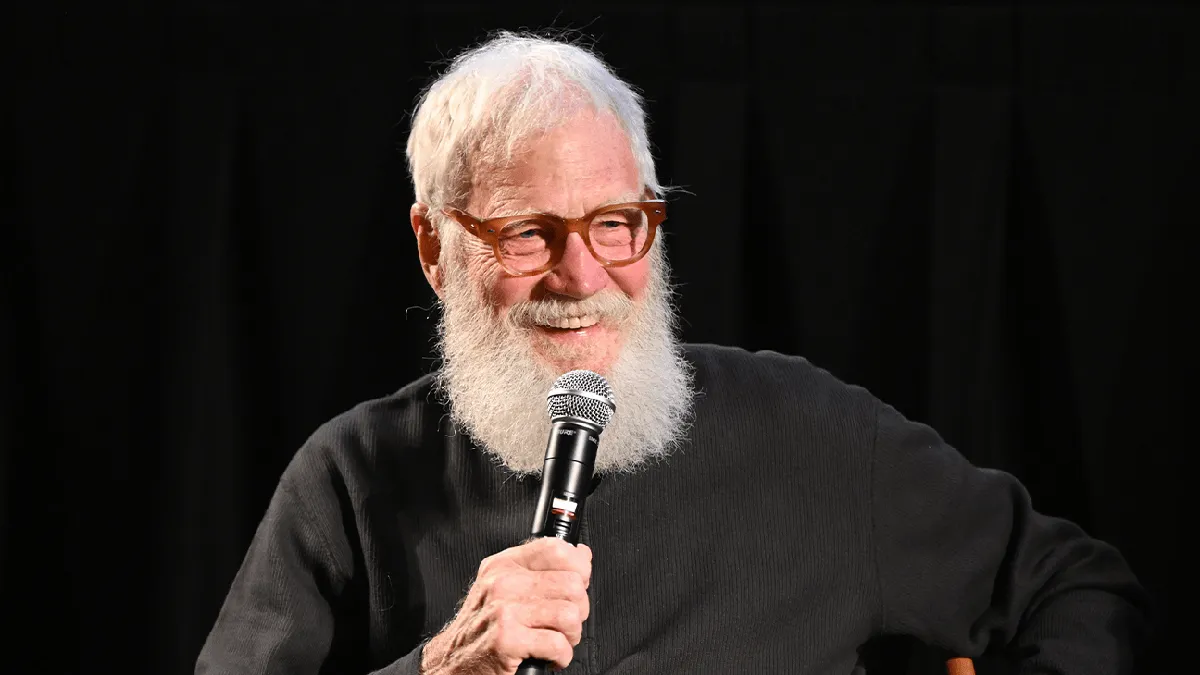
David Letterman, a titan of late-night television, hosted The Late Show for over two decades before Stephen Colbert took over in 2015. His tenure spanned 22 years, making him a household name and a staple of American entertainment. However, the landscape of late-night TV is shifting dramatically as CBS prepares to air the final episode of The Late Show on May 21, 2026.
In a surprising move, CBS has decided to replace The Late Show with a new program titled Comics Unleashed, which will begin airing on May 22, 2026, at 11:35 p.m. ET. This change marks the end of an era for Letterman, who has been a significant figure in the late-night scene since the show’s inception. Letterman created Comics Unleashed 20 years ago, and he described it as a show featuring comics discussing humorous topics.
Letterman expressed his thoughts on the transition, stating, “They don’t want to spend any money, so they’re going to make money.” His comments reflect a broader trend in the industry, where networks are increasingly focused on cost-cutting measures. Alongside Comics Unleashed, CBS will also air another show, Funny You Should Ask, hosted by Byron Allen, at 12:35 a.m. ET, creating a two-hour block of programming.
The decision to cancel The Late Show comes after 33 years of the franchise’s existence, which has seen various hosts and formats. Letterman’s departure is particularly poignant given his history with CBS and the late-night format. He has been critical of CBS’s handling of Stephen Colbert’s cancellation, labeling it as “pure cowardice.” This sentiment underscores the tension between creative vision and corporate decision-making in the television industry.
As the final episode approaches, fans and observers are left to reflect on Letterman’s legacy. He has been a pioneer in late-night television, known for his unique style and ability to connect with audiences. The final episode is expected to draw significant attention, not only for its nostalgic value but also as a marker of the changing tides in television programming.
Letterman has also hinted at the format of Comics Unleashed, saying, “The show is a pretty good idea. It’s all panel. Nobody’s doing any standup, except they’re seated doing standup.” This format aims to engage viewers with a lively discussion among comics, a departure from the traditional monologue and guest interview format that characterized The Late Show.
As CBS embarks on this new chapter, the implications for late-night television remain to be seen. The network’s decision to pivot towards cost-effective programming reflects broader industry trends, but it also raises questions about the future of creative content in a landscape increasingly dominated by financial considerations. Details remain unconfirmed about how this shift will impact the late-night landscape and whether it will resonate with audiences.
With the final episode of The Late Show looming, fans of David Letterman are bracing for a bittersweet farewell to a show that has been a cornerstone of late-night entertainment for decades. As the clock ticks down to May 21, the legacy of Letterman and the future of late-night television hang in the balance.