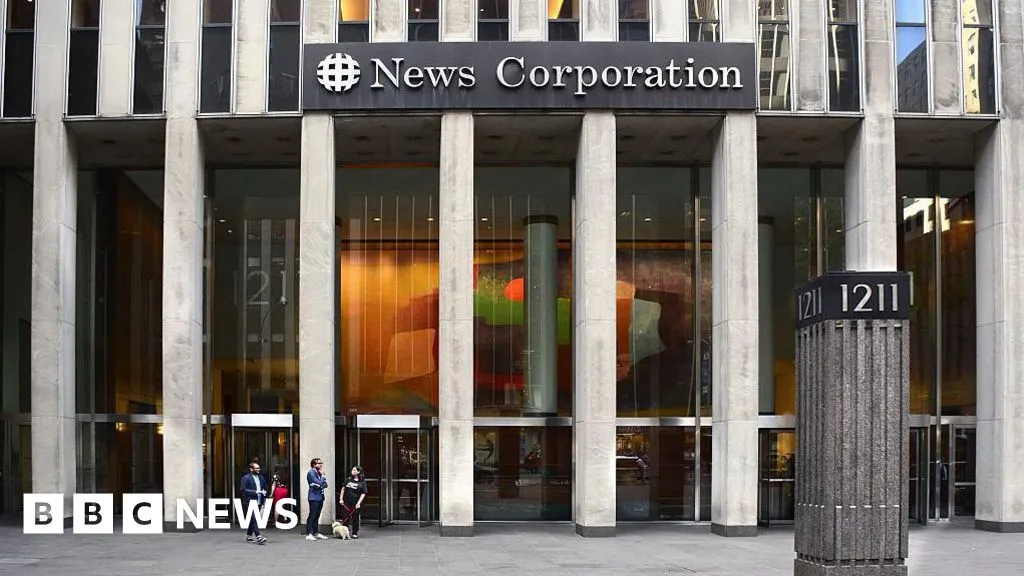
What does the dismissal of President Trump’s defamation lawsuit against The Wall Street Journal mean for media accountability? The answer is significant: a federal judge ruled that Trump failed to demonstrate actual malice in his claims.
In a recent ruling, Judge Darrin Gayles stated that Trump did not plausibly allege that the defendants published the article with actual malice, leading to the dismissal of his lawsuit. Trump had sought a jury trial and a staggering $10 billion in damages.
The lawsuit stemmed from an article that reported on a letter Trump allegedly sent to Jeffrey Epstein in 2003, a claim Trump vehemently denies. The judge’s ruling did not address whether the statements made in the article were true or defamatory, leaving that aspect open for further debate.
Judge Gayles highlighted that prior to publishing the article, The Wall Street Journal contacted Trump, Justice Department officials, and the FBI for comments. Trump responded with a denial, while the Justice Department did not respond, and the FBI declined to comment.
Trump’s legal history includes multiple failed defamation lawsuits against various media organizations, raising questions about his strategy moving forward. The judge has allowed Trump until April 27 to file an amended lawsuit, indicating that there may be another attempt to pursue this case.
As this situation unfolds, it remains to be seen how Trump will adjust his legal approach and whether he can successfully argue his case in a future filing. The implications for media organizations and their reporting practices could be profound, depending on the outcome of any amended claims.
Details remain unconfirmed regarding Trump’s next steps, but the legal landscape is increasingly complex as he navigates the intersection of public figure status and defamation law.