Introduction
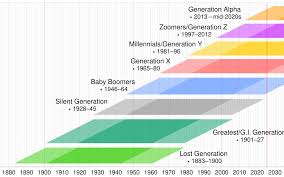
Gen Z, generally defined as those born between 1997 and 2012, is the first generation to grow up with the internet and smartphones from a young age. This unique upbringing has significantly shaped their values, behaviors, and outlook on life. Understanding Gen Z is crucial for businesses, educators, and policymakers as they navigate a world increasingly influenced by this tech-savvy and socially conscious generation.
Characteristics of Gen Z
Gen Z is often characterized by their comfort with technology, diversity, and strong social awareness. Unlike previous generations, they have not known a world without social media and are often seen as digital natives. Research indicates that 95% of Gen Z owns a smartphone, and they use it for various activities, from social networking to research and shopping.
Moreover, Gen Z values inclusivity and equity, growing up in an era of significant social movements such as Black Lives Matter and climate change activism. They prioritize mental health and advocate for transparency and authenticity, expecting brands and workplaces to reflect these values.
Economic Impact
As Gen Z enters the workforce, their impact on the economy becomes increasingly significant. According to a report from McKinsey & Company, Gen Z will make up 27% of the global workforce by 2025. Employers must adapt to their preferences, such as flexible working conditions, opportunities for professional development, and workplaces that prioritize mental health and well-being.
Education and Learning Styles
Gen Z’s learning styles also differ from those of previous generations. They favor interactive and personalized learning experiences, which are often facilitated by technology. Many in Gen Z prefer online education platforms and value hands-on experience. As such, educational institutions are adjusting their methods to cater to these preferences, often incorporating blended learning approaches.
Conclusion
Understanding Gen Z is not just an academic exercise; for businesses, educators, and policymakers, it is vital for engagement and success in a rapidly changing world. As Gen Z grows older and takes on more prominent roles in society, their values of inclusivity, technology reliance, and social responsibility will likely continue to influence cultural norms and expectations. Awareness of these trends will be essential for effectively communicating and collaborating with this generation moving forward.