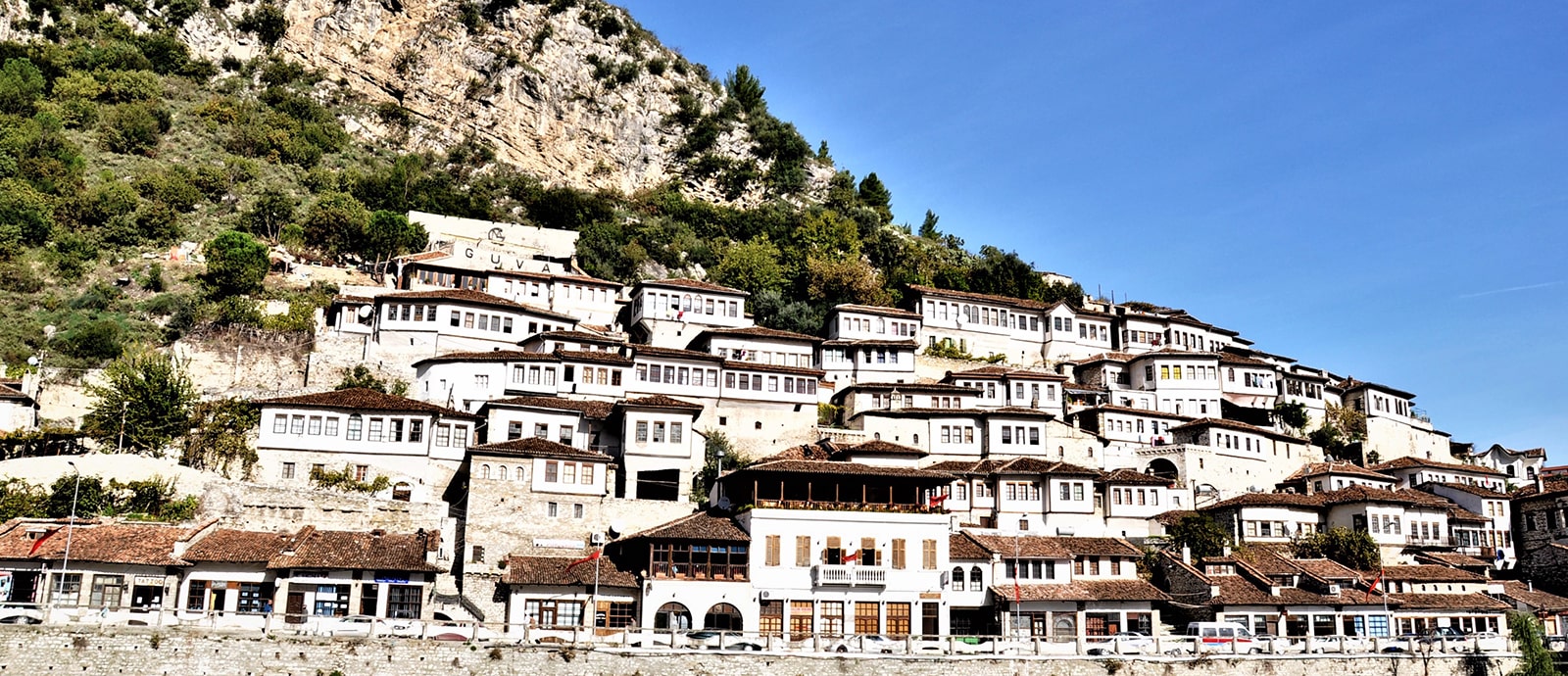
Introduction
Albania, nestled in the Balkan Peninsula, has recently gained attention as a breathtaking travel destination offering rich history, stunning landscapes, and vibrant culture. With its mountainous terrain, beautiful beaches along the Adriatic and Ionian Seas, and friendly locals, Albania stands as a testament to Europe’s hidden gems. As tourism in Albania continues to rise, understanding its significance in both historical and contemporary contexts is essential for travelers and those tracking global trends.
A Glimpse into Albania’s History
Albania’s history dates back to ancient times, with influences from the Illyrians, Romans, and Byzantines. The country has undergone significant transformations, including periods of Ottoman rule and communism. Notably, Albania was the last European country to emerge from communism in the early 1990s, marking a shift towards democracy and a market economy. Today, the impact of this storied past is reflected in its architecture, cultural sites, and the resilience of its people.
Natural Beauty and Attractions
The natural landscapes of Albania are breathtaking. The Albanian Riviera boasts some of the most stunning beaches in the Mediterranean, such as Dhërmi and Jale Beach, featuring crystal-clear waters and rugged cliffs. The country is also home to Albania’s national parks, such as the Accursed Mountains and the Llogara National Park, where hikers and nature enthusiasts can explore diverse ecosystems and unique wildlife. Furthermore, organizations are working to promote ecotourism, ensuring that these beautiful regions are preserved for future generations.
Cultural Vibrancy
Albania’s culture is a rich tapestry influenced by various civilizations over the centuries. Visitors will find a unique blend of traditions in music, dance, and cuisine. The Albanian folk music festival, held annually, showcases traditional performances and encourages the preservation of national heritage. The capital, Tirana, has seen a resurgence as a cultural hub, with vibrant street art, numerous museums, and a burgeoning gastronomy scene that highlights local ingredients and time-honored recipes.
Conclusion
As Albania continues to attract attention from global travelers, its significance as a distinctive destination grows. The country offers a unique opportunity to experience both unspoiled natural beauty and a rich cultural heritage that is still developing. Navigating this emerging travel hotspot may offer new experiences for tourists while simultaneously benefiting local economies. As travelers seek less-traveled pathways, Albania stands poised to be a prominent player in the global tourism landscape, balancing its historical roots with a modern outlook.