Introduction
Azerbaijan, the Land of Fire, is located at the crossroads of Eastern Europe and Western Asia. It has gained immense importance in recent years for its strategic geological position, rich cultural diversity, and burgeoning economy. Understanding Azerbaijan is crucial not only for those interested in the Caucasus region but also for tracking global energy markets and geopolitical dynamics.
Historical and Cultural Significance
Azerbaijan has a rich history that includes various influences from Persian, Ottoman, and Russian territories. The capital city, Baku, is known for its medieval architecture and modern skyline, symbolizing the paradox of tradition and innovation. The country is famous for its mugham (a traditional music genre), carpets, and a unique cuisine that reflects its multicultural heritage, integrating flavors from across the region.
Recent Developments
In recent months, Azerbaijan has been at the forefront of regional developments, particularly its role in the energy sector. The Southern Gas Corridor, which aims to transport gas from the Caspian region to Europe, has become a crucial initiative for Europe’s energy diversification. The recent opening of pipelines marks not just a significant economic investment but also enhances Azerbaijan’s geopolitical standing within Europe.
Economic Growth and Global Relations
Azerbaijan’s economy has shown resilience amidst global challenges, largely supported by its oil and gas revenues. In 2023, the World Bank projected a growth rate of 3% in Azerbaijan, underlined by efforts to diversify its economy, including investments in tourism, technology, and agriculture. Notably, Azerbaijan’s initiatives to promote non-oil sectors provide a model for sustainable development in the region.
International Partnerships
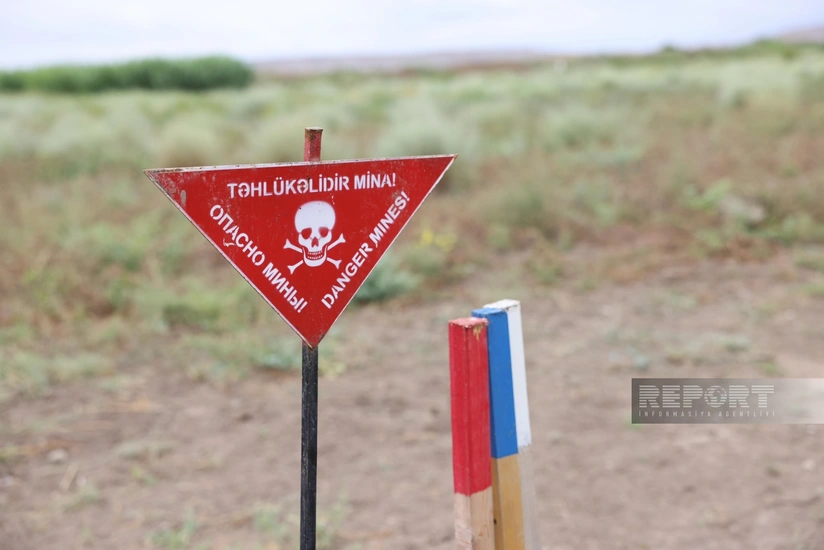
The country has built strong relationships with nations like Turkey and the European Union. Azerbaijan hosted high-level diplomatic discussions aimed at fostering not just economic partnerships but also stability in the South Caucasus. Such collaborations are vital for addressing regional issues, including those surrounding Nagorno-Karabakh.
Conclusion
Azerbaijan stands at a pivotal juncture, blending its rich cultural heritage with aspirations towards modernization and global engagement. As the country continues to thrive economically and politically, it presents numerous opportunities for international partnerships while also facing challenges concerning regional stability. For readers interested in global affairs or cultural diversity, Azerbaijan’s evolution offers valuable insights into the dynamics of the modern world.