Introduction
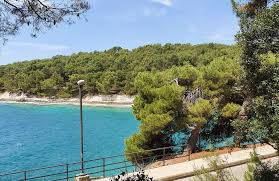
Croatia, a southeastern European country located along the Adriatic Sea, has become a popular tourist destination in recent years. Renowned for its stunning coastal scenery, historic cities, and diverse cultural heritage, Croatia holds significant importance both as a cultural hub and a natural paradise. With its increasing recognition among travelers worldwide, understanding what Croatia has to offer can enhance the experience for both newcomers and returning visitors.
Tourism Boom
The tourism sector in Croatia has seen a remarkable boost, particularly since 2020, as travelers have sought out destinations offering natural beauty and rich history. According to the Croatian National Tourist Board, over 18 million tourists visited Croatia in 2022, exceeding pre-pandemic numbers and marking a notable recovery. Destinations like Dubrovnik, Split, and Plitvice Lakes National Park continue to top lists as must-see locations, drawing millions with their picturesque landscapes and historical relevance.
Cultural Heritage
Croatia is home to numerous UNESCO World Heritage Sites, including the ancient city of Dubrovnik, known as the ‘Pearl of the Adriatic,’ and the Plitvice Lakes National Park, famous for its cascading lakes and vibrant ecosystems. Dubrovnik’s well-preserved medieval architecture and fortifications illustrate the city’s historical significance, remaining a focal point for both cultural enthusiasts and historians alike. Furthermore, cities like Zadar, with its unique Sea Organ and Greeting to the Sun installations, offer modern artistic interpretations of Croatia’s rich history.
Current Events and Developments
As of 2023, Croatia has also taken significant strides with the adoption of the Euro on January 1, 2023, transitioning from its national currency, the kuna. This change not only aligns Croatia with other European Union nations but also simplifies travel for visitors, as transactions in Euros are now commonplace. Additionally, the focus on sustainable tourism initiatives is evident, with the government and local businesses working together to preserve natural resources while promoting eco-friendly practices in tourism.
Conclusion
As Croatia continues to develop and enhance its appeal as a top travel destination, the combination of its stunning landscapes, rich cultural heritage, and modern infrastructure make it a vital part of Europe’s tourism landscape. Travelers planning to visit Croatia can anticipate a unique blend of history, nature, and modern attractions, promising memorable experiences that will promote the country as a leading European destination for years to come. With ongoing improvements and a focus on sustainability, Croatia is well-positioned to capture even more visitors in the coming years.