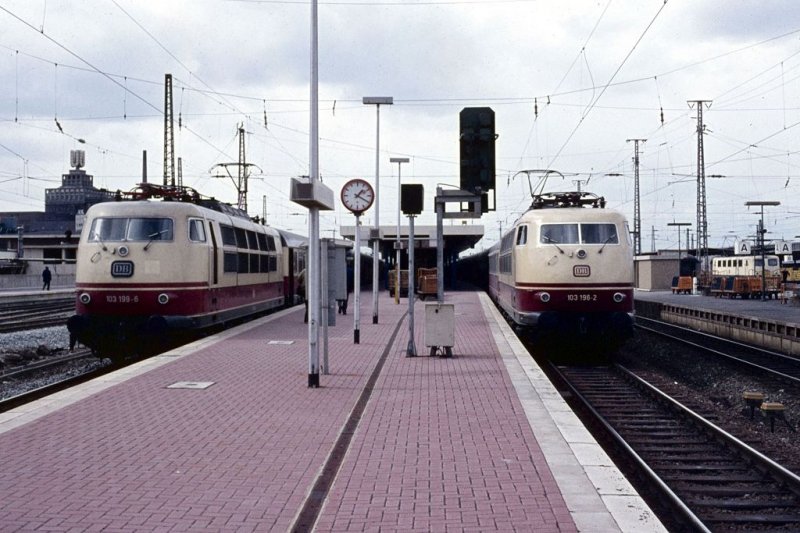
Introduction to Dortmund
Dortmund, located in the North Rhine-Westphalia region of Germany, is a city that stands out for its rich industrial history and vibrant cultural scene. As one of the largest cities in the area, it plays a crucial role in the economy and is known for its advanced technology sectors and higher education institutions. With a population exceeding 600,000, Dortmund is a dynamic hub that draws international attention and visitors from around the globe.
Economic Growth and Development
Historically recognized as a major center for coal and steel production, Dortmund has successfully transitioned into a smart city with a focus on innovation and technology. According to the recent economic report by the City of Dortmund, the city has seen substantial growth in its digital economy, especially in sectors like IT and engineering. Notably, the Dortmund Technology Center (DZ) has become a breeding ground for startups, fostering creativity and entrepreneurship. Dortmund’s strategic investments in researching technologies have laid the groundwork for future economic development.
Cultural Significance
Dortmund is not just economically vibrant, but it also prides itself on its rich cultural heritage. The city is home to numerous attractions, including the Museum of Art and Cultural History, as well as the renowned Westfalenpark. Each year, the city hosts events such as the Christmas market and the Dortmund Music Festival, which celebrate the region’s traditions and attract thousands of visitors. Additionally, Dortmund’s football club, Borussia Dortmund, is one of the most successful teams in Germany, further evidencing the city’s passion for sport and community.
Environmental Efforts
In light of global climate challenges, Dortmund has been proactive in promoting sustainability and environmental awareness. Recent initiatives, such as the Urban Green Plan, aim to enhance green spaces throughout the city and promote eco-friendly transportation options. As part of Germany’s commitment to the Paris Agreement, Dortmund’s local government has pledged to reduce carbon emissions by 40% by 2025, illustrating the city’s dedication to a sustainable future.
Conclusion
Dortmund is an exemplary model of a city blending traditional values with modern innovation. As it continues to evolve economically and culturally, it remains a key player in Germany’s landscape. With an ongoing commitment to sustainability and technological advancement, Dortmund is not only a city of the past but also a beacon for the future. Visitors can expect to engage with a community that values its heritage while actively striving for progress, making Dortmund a significant destination for tourists and business alike.