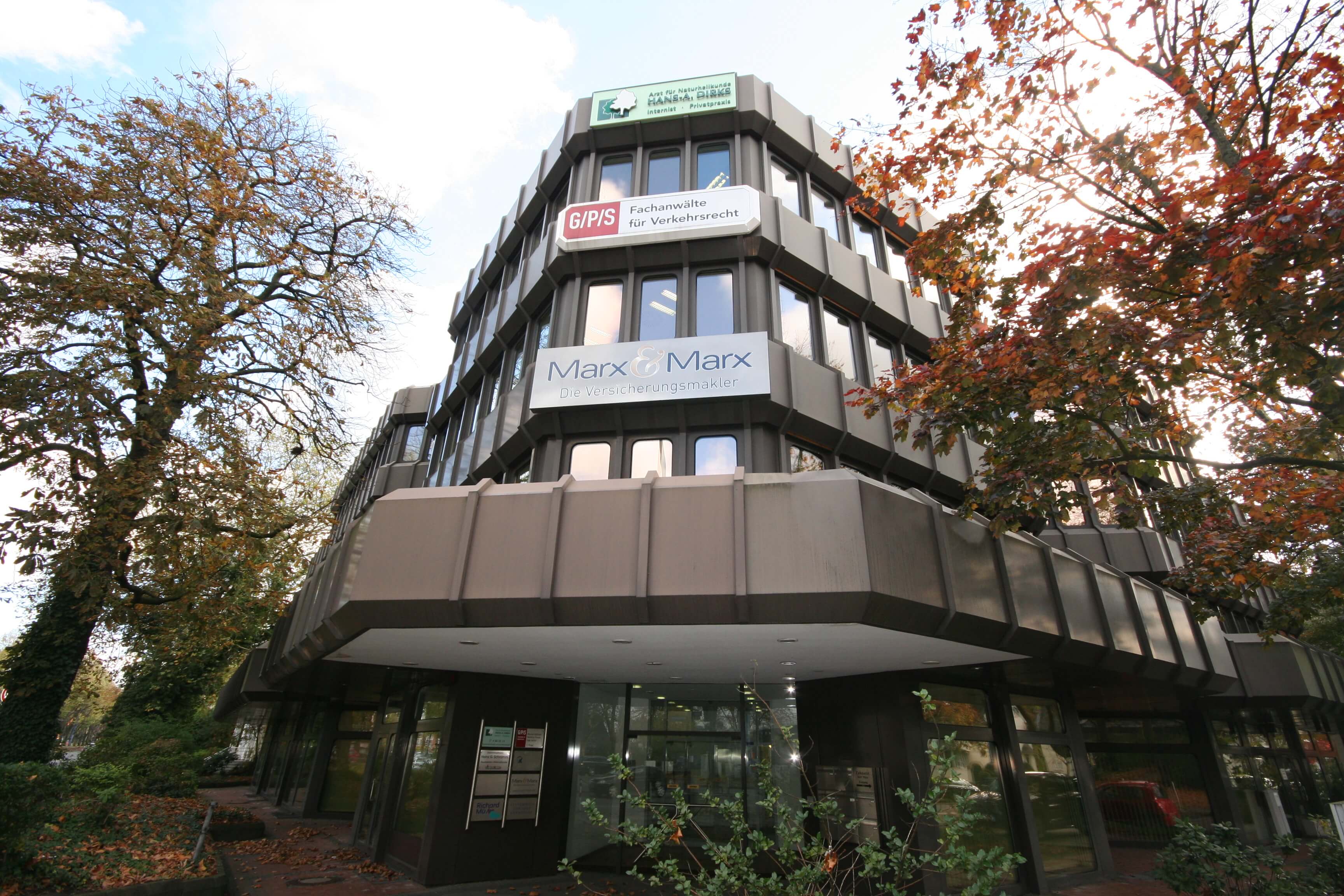
Introduction to Dortmund
Dortmund, located in the North Rhine-Westphalia region of Germany, is a city rich in cultural heritage and modern innovation. Known for its significant history in the steel and coal industries, Dortmund has transitioned into a vibrant hub for technology, education, and culture. With a population of over 600,000 residents, it plays a crucial role in the economy of the Ruhr area.
Historical Background
Historically, Dortmund was one of the leading cities in the industrial revolution of Germany. It was known for its beer brewing and heavy industries, including coal mining and steel production, which drove its economic growth during the 19th and early 20th centuries. However, with the decline of these industries, Dortmund faced significant economic challenges but has since rebounded through diversification and modernization.
Current Economic Landscape
Today, Dortmund’s economy is diverse, with major sectors including technology, logistics, and a growing service sector. The city is home to many technological startups and innovative companies, particularly in the fields of IT and software development. The presence of several universities, including the Technical University of Dortmund, fosters education and research, contributing to the city’s modernization and economic development.
Cultural Significance
Culturally, Dortmund is known for its vibrant arts scene, including museums, theaters, and music festivals. The Dortmunder U, a center for art and creativity housed in a former brewery tower, is a testament to the city’s commitment to promoting cultural initiatives. Additionally, Dortmund hosts numerous events throughout the year, such as the Christmas market and the International Light Festival, attracting both locals and tourists.
Future Outlook
Dortmund’s commitment to sustainability and innovation makes it a model for urban development in the coming years. The city aims to enhance public infrastructure and reduce environmental impact while supporting a growing tech sector. With ongoing investments in smart city initiatives, Dortmund is preparing itself for a future that combines economic growth with a high quality of life for its residents.
Conclusion
In conclusion, Dortmund is a city that embodies the blend of historical significance and modern innovation. As it continues to evolve, Dortmund not only preserves its rich cultural heritage but also embraces new economic opportunities and sustainable practices. For residents and visitors alike, Dortmund represents a dynamic place full of potential and a promising future.