Introduction
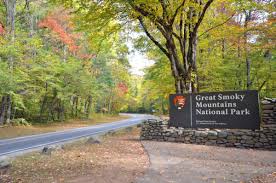
Great Smoky Mountains National Park, straddling the border between North Carolina and Tennessee, is one of the most visited national parks in the United States. Established in 1934, this vast expanse of biodiversity and stunning landscapes has become a sanctuary for wildlife and a haven for outdoor enthusiasts. The Park’s ecological richness, cultural history, and breathtaking vistas render it a vital asset to both the environment and local tourism.
Park Highlights
Spanning over 800 square miles, the park is home to more than 19,000 documented species of living organisms, with estimates suggesting that 100,000 different species may exist here. Visitors can enjoy activities such as hiking, wildlife viewing, and camping amidst this incredible flora and fauna.
The park’s most famous hiking trail is the Appalachian Trail, which runs along its spine for over 70 miles, offering panoramic views and a glimpse into the diverse ecosystems of the area. Cades Cove, a picturesque valley surrounded by mountains, is another highlight where tourists can experience the historical significance of the region, with well-preserved homes and churches from the 19th century.
Current Events and Conservation Efforts
Recently, park officials announced a significant initiative aimed at preserving the unique ecosystems within the park. Due to climate change and invasive species, ongoing conservation efforts are being put in place to restore native plant populations. The park is also engaging with community organizations to educate visitors on the importance of preserving the delicate balance of nature.
This past summer, a series of workshops and guided hikes were organized to enhance visitor understanding of the challenges faced by the park’s environment. Park rangers have reported increased participation in volunteer programs, indicating that visitors are eager to contribute to conservation efforts, such as trail maintenance and invasive species removal.
Conclusion
Great Smoky Mountains National Park not only serves as a vital ecological resource but also as a recreational paradise and a cultural treasure. As visitors continue to flock to its scenic vistas and rich history, the importance of conservation and sustainable tourism grows exponentially. With ongoing efforts to protect this natural wonder, the Park remains not only a site of breathtaking beauty but also a beacon of environmental stewardship, ensuring that future generations can appreciate its stunning landscapes and diverse wildlife.