Introduction
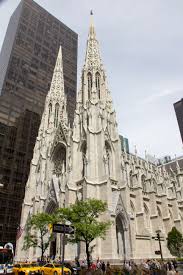
St Patrick’s Cathedral, located in the heart of New York City, stands as a symbol of the resilience and faith of the Catholic community in the United States. With its stunning neo-Gothic architecture and rich history, this iconic cathedral has become a focal point for both tourists and worshippers alike. In recent years, its significance has taken on new layers of meaning amid the challenges of urban life and the ongoing legacy of the Catholic Church.
A Historical Overview
Construction of St Patrick’s Cathedral began in 1858, under the leadership of Archbishop John Hughes, with the aim of serving the growing Irish immigrant population in New York. Designed by architect James Renwick Jr., the cathedral was completed in 1878 and continues to be one of the largest Gothic cathedrals in the United States. It features intricate stained glass windows, towering spires reaching 330 feet, and a beautiful interior adorned with marble and oak.
Recent Events and Renovations
In 2019, St Patrick’s Cathedral underwent a major renovation, restoring its grandeur while updating its facilities to better serve visitors and worshippers. These enhancements include improved accessibility, modern lighting, and climate control to ensure the preservation of its exquisite artwork. Alongside these updates, the cathedral hosts various community events, religious ceremonies, and education programs, making it a vibrant part of New York City’s cultural tapestry.
The Role of St Patrick’s Cathedral in Modern Society
Today, St Patrick’s Cathedral not only serves as a place of worship but also as a venue for interfaith dialogue and social activism. As issues ranging from immigration reform to social justice continue to influence the urban landscape, the cathedral has positioned itself as a voice of compassion and hope. Archbishop Timothy Dolan has spoken out on numerous social issues, further emphasizing the cathedral’s role as a moral compass in contemporary society.
Conclusion
As a historical and spiritual landmark, St Patrick’s Cathedral remains a vital part of New York City’s identity. Looking ahead, as the city continues to evolve, this magnificent structure will likely adapt and serve even greater roles within the community. For visitors and locals alike, St Patrick’s Cathedral stands not only as a masterpiece of architecture but also as a beacon of faith, unity, and resilience.