Introduction
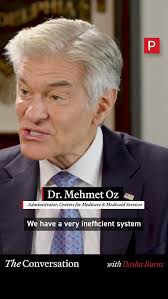
Dr. Mehmet Oz, widely known as Dr. Oz, has transitioned from a trusted television physician to a political candidate, raising eyebrows and discussions across the nation. His journey epitomizes the intersection of health, media, and politics, reflecting broader trends in celebrity influence within American governance. As voters approach upcoming elections, understanding Oz’s impact and agenda is vital for informed decision-making.
Dr. Oz’s Background and Career
Born on June 11, 1960, in Cleveland, Ohio, Dr. Oz rose to fame as a heart surgeon and a prominent health expert on television. He began appearing on the Oprah Winfrey Show in the early 2000s, which paved the way for his spin-off program, The Dr. Oz Show, launched in 2009. The show quickly became a platform for health advice, cooking tips, and medical information, earning multiple Daytime Emmy Awards. Despite his celebrated career, Dr. Oz has faced scrutiny and criticism for promoting controversial health products and advice that some claim lack scientific backing.
Transition to Politics
In late 2021, Dr. Oz announced his candidacy for the U.S. Senate seat in Pennsylvania, positioning himself as a Republican candidate. His entry into the political arena sparked discussions about the influence of media personalities in politics. Supporters appreciate his celebrity status, extensive experience in health, and ability to engage diverse audiences, while critics argue that his television persona may not easily translate into meaningful political action.
Campaign and Policies
Dr. Oz’s campaign has emphasized various key issues, including healthcare reform, public health policy, and the importance of medical freedom. He has expressed his commitment to addressing the opioid crisis and increasing access to affordable healthcare, ideas attractive to voters highlighting the need for practical solutions. Oz also advocates for a return to normalcy post-COVID-19, aligning with sentiments expressed by constituents wary of ongoing restrictions. As the campaign progresses, his policies will likely evolve in response to public concerns and feedback.
Public and Media Reactions
The public response to Dr. Oz’s political aspirations has been mixed. His celebrity status brings significant media attention; however, the effectiveness of his qualifications as a medical professional versus the demands of public office remains a contentious debate. Social media has amplified discussions, with various factions both supporting and opposing his political ambitions, often reflecting broader national divisive trends.
Conclusion
Dr. Oz’s move from the medical field and media into politics represents a significant trend in modern governance, where celebrity influence is increasingly prevalent. As the 2022 elections approach, understanding his platform, public perception, and the implications of his candidacy will be essential for voters. The outcome could offer insights into the evolving dynamics of American political landscapes, making it vital for constituents to remain informed about candidates’ qualifications beyond their media personas.