Reaction from the field
Easter traditions are not just rituals; they are a profound expression of cultural identity and resilience. Celebrated as the resurrection of Jesus Christ, Easter has evolved over nearly 2000 years, blending sacred and secular practices that resonate deeply with communities around the world.
One of the most enduring symbols of Easter is the hot cross bun, traditionally eaten on Good Friday. This sweet, spiced bread dates back to at least the 12th century and has become a staple in many households during the Easter season. The cross on the bun symbolizes the crucifixion of Jesus, making it a poignant reminder of the holiday’s spiritual significance.
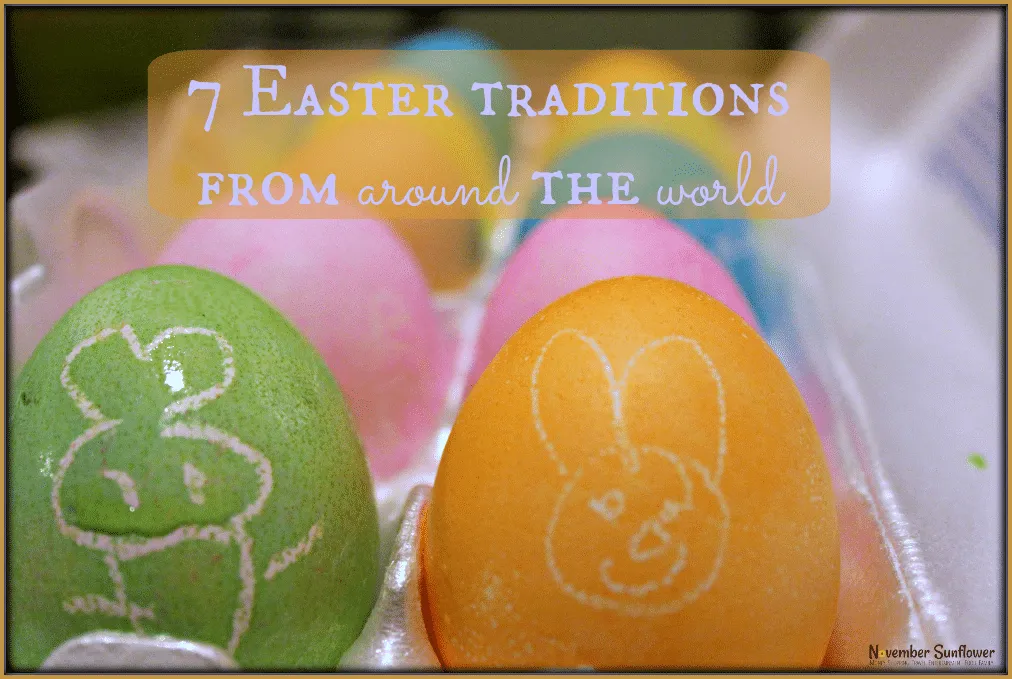
Decorated eggs, another hallmark of Easter, symbolize new life and have been part of the traditions since early Christianity. The practice of dyeing and decorating eggs has transcended generations, with families often engaging in egg hunts, a custom that gained popularity in the 18th and 19th centuries. These hunts not only bring joy to children but also foster a sense of community and togetherness.
The Easter Bunny, a character that has become synonymous with the holiday, originated in 17th-century Germany, where it was known as the ‘Osterhase.’ This whimsical figure has evolved into a central part of Easter celebrations, delighting children with the promise of candy and chocolate eggs. The 19th century marked the mass production of chocolate bunnies, further embedding this tradition into the fabric of Easter festivities.
Families often gather for an Easter Sunday meal, which typically features ham or lamb. In Eastern Europe, smoked kielbasa is a traditional dish, with State Meats in Parma, Ohio, specializing in this delicacy. Established in 1960 and moving to its current location in 1974, State Meats has become a beloved institution, with loyal customers who regard Easter as their “Superbowl.” George Salo, a representative of the deli, emphasizes the importance of fresh kielbasa during the holiday, stating, “It’s the tradition for Easter to have the Fresh Kielbasa.”
Despite challenges, displaced residents in south Lebanon continue to celebrate Easter traditions, showcasing their resilience and commitment to their identity. The efforts of these communities to maintain their customs highlight the enduring nature of Easter celebrations across diverse cultures.
As Easter approaches, the anticipation builds around these cherished traditions. Families prepare for gatherings, and communities come together to celebrate the holiday’s rich history. However, details remain unconfirmed regarding how evolving societal norms may influence future Easter traditions.