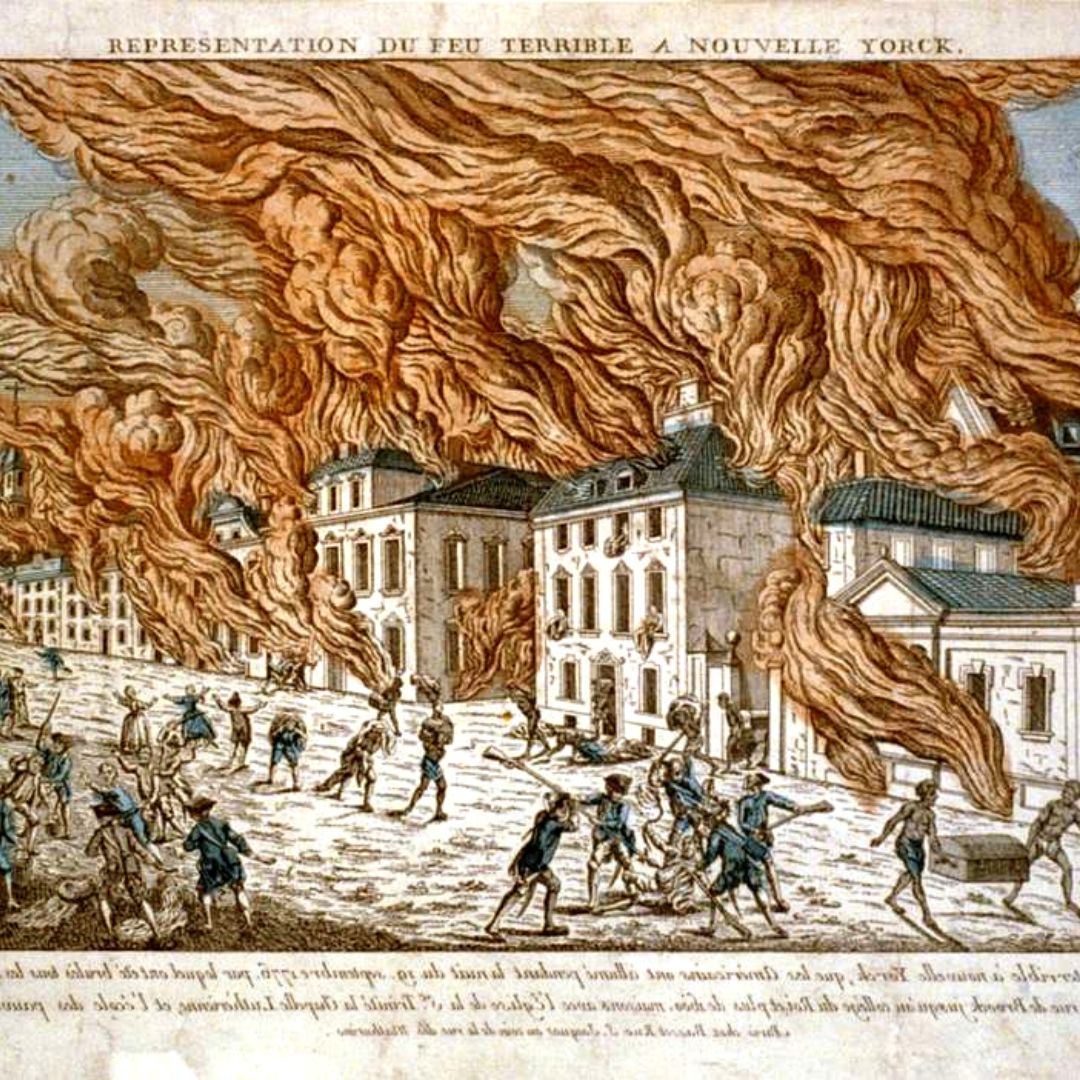
Understanding the Importance of Fire Safety
Fire safety is a critical topic relevant to everyone as it directly impacts the health and safety of individuals and communities. With wildfires and residential fires occurring at alarming rates, understanding how to prevent fire hazards is crucial for protecting property and saving lives.
Current Trends in Fire Statistics
According to the National Fire Prevention Association (NFPA), in 2021 there were over 1.3 million reported fires in the United States, leading to nearly 3,500 civilian deaths and thousands of injuries. Moreover, structure fires accounted for 22% of these incidents, emphasizing the need for effective fire prevention measures in homes and businesses. The wildfire season has also seen an increase, with climate change contributing to longer and more intense fire seasons across the West.
Essential Fire Prevention Tips
1. **Install Smoke Alarms**: Ensure smoke alarms are installed on every level of your home, especially near bedrooms. Test them monthly and replace batteries at least once a year.
2. **Develop an Escape Plan**: Create a fire escape plan that includes two exits from every room and a designated meeting spot outside. Practice this plan regularly with your family.
3. **Keep Flammable Materials Safe**: Store flammable items such as gasoline, propane, and cleaning chemicals away from heat sources and in well-ventilated areas.
4. **Be Cautious with Heat Sources**: Never leave cooking unattended, and ensure that space heaters are kept at least three feet away from flammable materials.
5. **Learn About Fire Extinguishers**: Keep fire extinguishers in easily accessible locations and ensure everyone knows how to use them in case of emergencies.
Significance of Community Awareness
Community involvement can play a significant role in fire prevention efforts. Local fire departments often conduct outreach programs to educate residents about fire safety and prevention, making it essential for individuals to participate in these initiatives. By fostering a culture of safety and preparedness, communities can significantly reduce fire incidents and their devastating impacts.
Conclusion
Fire safety is an ongoing responsibility that requires awareness, education, and proactive measures. Understanding the risks and implementing prevention strategies can not only safeguard individuals and families but also protect entire communities. As we continue to face challenges with natural disasters and fire outbreaks, prioritizing fire safety remains crucial for a secure future.