Introduction
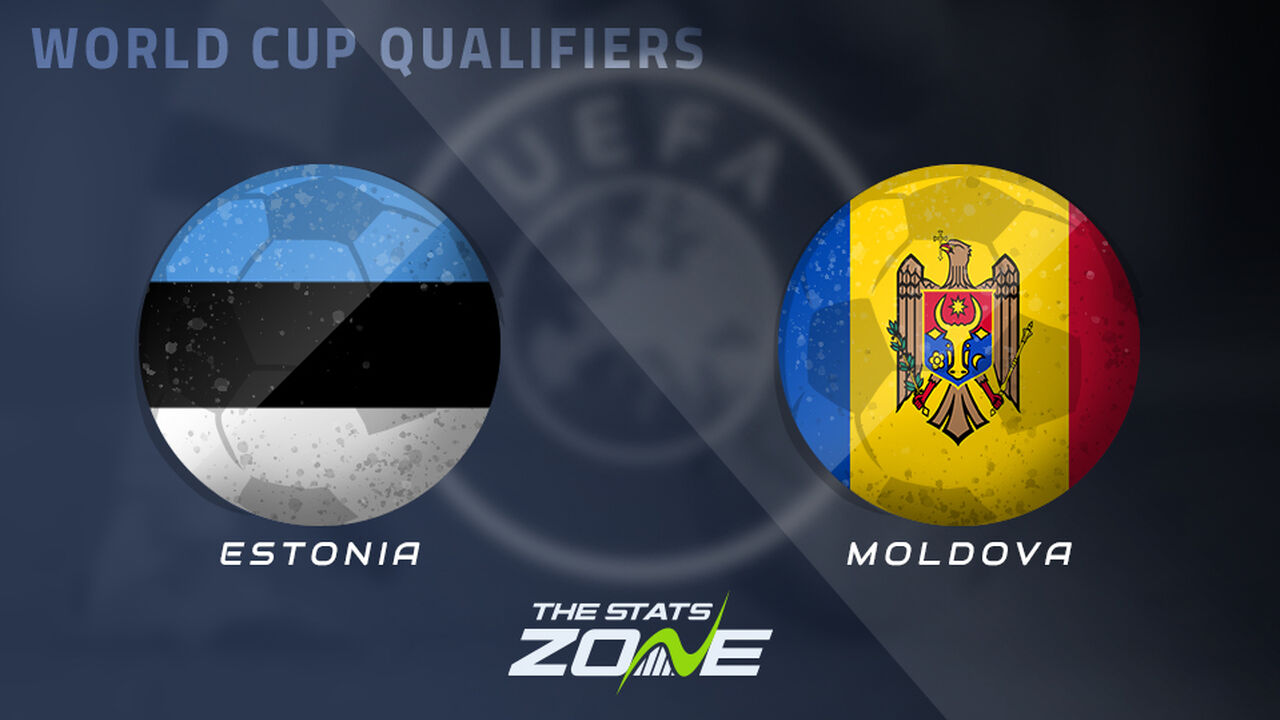
The geopolitical landscape in Europe has seen significant changes in recent years, with countries like Estonia and Moldova taking center stage. Both nations, independent since the collapse of the Soviet Union, have unique paths shaped by their historical and political contexts. Understanding the dynamics between Estonia and Moldova is crucial, especially in the context of European Union relations, economic development, and regional stability.
Political Landscape
Estonia, a member of the European Union and NATO since 2004, has experienced stable governance and economic growth. Under Prime Minister Kaja Kallas, Estonia has pursued policies that enhance digital innovation, security, and public services. Recently, Estonia has taken a strong stance in supporting Ukraine amid its ongoing conflict with Russia, a move that resonates with its own historical experiences.
In contrast, Moldova, which aspires for EU membership but is not yet a member, faces challenges including political instability and corruption. The pro-European government led by President Maia Sandu has implemented reforms aimed at combating corruption and strengthening the economy. However, Moldova remains vulnerable to Russian influence, a factor that complicates its aspirations for alignment with Western Europe.
Economic Comparison
Economically, Estonia significantly outperforms Moldova. Estonia’s GDP per capita, which is among the highest in the region, reflects its robust information technology and service sectors. Moreover, investments in e-governance and digital entrepreneurship have positioned Estonia as a leader in innovation in Europe.
On the other hand, Moldova struggles with economic development. Its GDP per capita is among the lowest in Europe, and the country relies heavily on agriculture, remittances, and foreign aid. Recent economic reforms have aimed to attract foreign investment and improve living standards, but progress remains slow due to various internal challenges.
Social Dynamics and International Relations
Socially, Estonia enjoys a strong sense of national identity and cohesion, bolstered by a shared history and experiences since gaining independence. In contrast, Moldova’s societal fabric is more complex, influenced by a mix of Romanian and Russian heritage, which sometimes leads to internal divisions. The ongoing challenge for Moldova is to foster national unity while navigating its relations with both the EU and Russia.
Conclusion
The comparison between Estonia and Moldova highlights two nations at different stages of political and economic development. While Estonia continues to thrive within the EU framework, Moldova’s journey towards integration and stability is ongoing and fraught with complexities. As international interest in Eastern Europe grows, the outcomes of the differing pathways taken by these two countries will have significant implications for regional security and cooperative progress in the years to come.