Introduction
The FIFA World Cup 2026 is poised to be a landmark event in the world of sports as it is set to be hosted jointly by the United States, Canada, and Mexico. This tournament will not only mark the first time three nations host the prestigious event together but will also expand the tournament to 48 teams, enhancing its global inclusivity. As soccer continues to grow in popularity across North America, the significance of this World Cup is profound, reflecting a pivotal moment for the sport in the region.
Growth and Development in North America
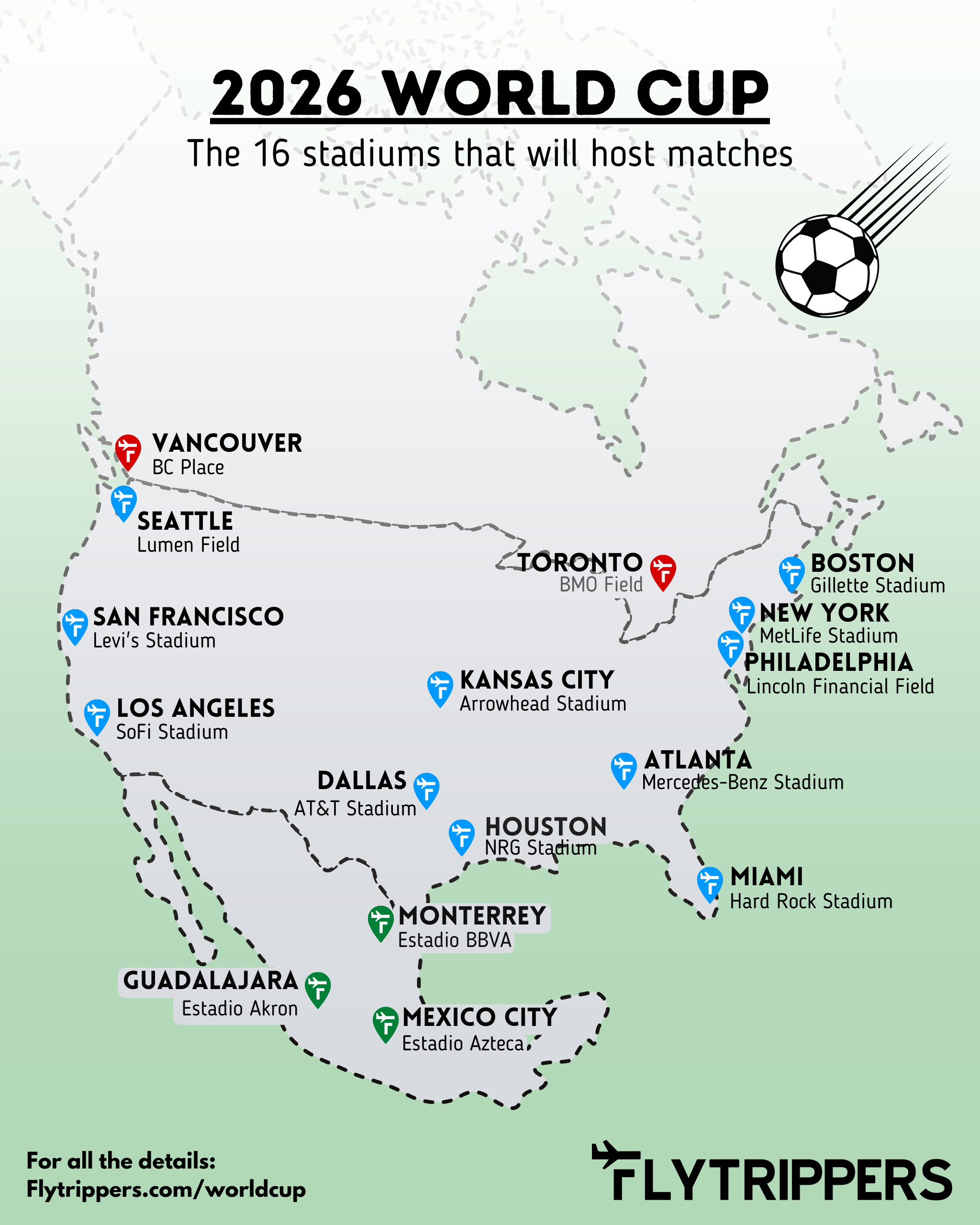
The decision to host the FIFA World Cup 2026 followed a successful joint bid that highlighted the readiness and capability of these three nations to organize such a large-scale event. Cities across the U.S., Canada, and Mexico are gearing up to welcome soccer fans from around the world, with several cities already unveiled as host venues including Los Angeles, New York, Toronto, and Mexico City.
The expanded format of 48 teams means more matches, more fans, and a broader showcase of soccer talent from across the globe. In previous tournaments, the World Cup featured 32 teams. This change is expected to increase the competitiveness of the tournament, as more nations will have the opportunity to participate in this showcase of soccer excellence.
Current Developments and Preparations
As of now, the local organizing committees are working tirelessly to ensure that venues are adequately prepared, infrastructure is reinforced, and logistical operations are streamlined. Recent infrastructure investments have been announced, including renovations of existing stadiums and the construction of new facilities to enhance the overall experience for fans and players alike. Additionally, initiatives aimed at improving fan engagement through technology and accessibility are being prioritized.
What’s Next?
As the 2026 World Cup approaches, anticipation continues to grow. With new broadcasting technologies and innovative fan experiences expected to elevate the tournament, the excitement is palpable. This World Cup not only signifies a celebration of soccer but also an opportunity for North America to solidify its place in the global sports landscape.
Conclusion
In summary, the FIFA World Cup 2026 promises to be a historic tournament, bringing together nations, cultures, and fans in an unprecedented way. As preparations continue, the world watches closely. With an expanded format and collaborative hosting, this World Cup could very well redefine what we expect from international sports events. For fans, players, and aspiring nations, this tournament will be a celebration of the beautiful game and a glamorous platform for showcasing the best of soccer on a global stage.