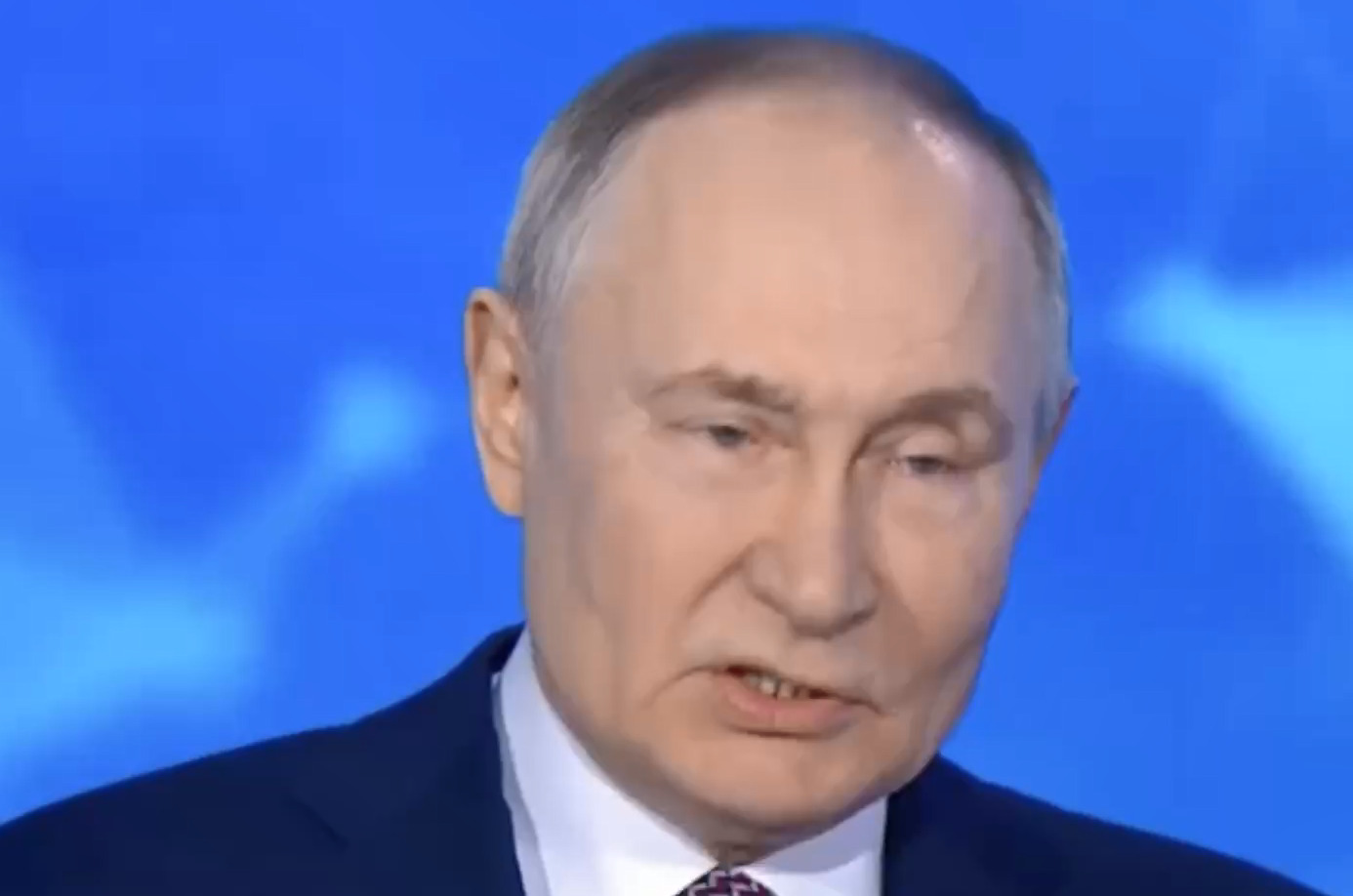
Introduction
Vladimir Putin, the President of Russia, has been a pivotal figure in global politics for over two decades. His leadership style, characterized by authoritarianism and strong nationalism, has notably affected both domestic and international landscapes. Understanding Putin’s strategies and foreign policies is crucial as they significantly shape international relations, security dynamics, and global economics.
Key Events Shaping Putin’s Leadership
Since taking office in 1999, Putin has employed various tactics to consolidate power and maintain his grasp over Russia. The annexation of Crimea in 2014 marked a significant turning point, leading to widespread sanctions from Western countries and deteriorating relations with NATO. This action demonstrated Putin’s willingness to assert Russian influence aggressively on the global stage.
More recently, the ongoing conflict in Ukraine, initiated by Russia’s invasion in February 2022, has further escalated tensions. The West’s response, including sanctions and military support for Ukraine, has drawn a sharp divide in global alliances. Putin’s narrative focuses on protecting Russian-speaking people and countering NATO’s expansion, but the geopolitical ramifications are critical, with increased militarization in Eastern Europe.
The Domestic Front
On the home front, Putin’s regime has faced numerous challenges, including public dissent, economic sanctions, and the repercussions of the COVID-19 pandemic. Despite these adversities, he maintains a firm grip on power by suppressing opposition through legal and extralegal means. The recent protests following the mobilization for the war further illustrate the public’s complex relationship with his leadership — a mix of support, fear, and discontent.
Looking Ahead
As the war in Ukraine continues, the implications for global politics remain uncertain. Analysts are closely monitoring Putin’s strategies to navigate international isolation while trying to solidify domestic support. Several forecasts suggest that Putin may intensify military efforts or seek diplomatic routes to re-establish Russia’s standing globally.
Conclusion
In summary, Vladimir Putin’s leadership is both influential and contentious within the context of global politics. Understanding his actions, motivations, and the resulting geopolitical dynamics is crucial for nations navigating this complex landscape. As we move forward, the international community must remain vigilant about Russia’s next moves and their potential to reshape alliances and power structures worldwide.