Introduction
Haiti, the first independent nation in Latin America and the Caribbean, has faced numerous challenges in recent years. The country’s socio-political landscape is marred by instability, poverty, and natural disasters. Understanding the current situation in Haiti is crucial, as it has significant implications for regional security, humanitarian efforts, and economic development.
Recent Developments
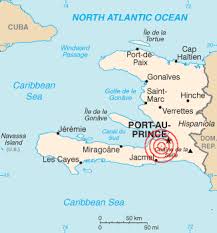
As of late 2023, Haiti has been grappling with a persistent humanitarian crisis exacerbated by political unrest. In the last few months, gang violence has surged, leading to increased displacements of families. Reports indicate that more than 200,000 people have fled their homes due to gang-related violence, particularly in Port-au-Prince, the capital.
Moreover, the assassination of President Jovenel Moïse in July 2021 has left a power vacuum, leading to a struggle between gangs and various political factions. The National Police of Haiti has been overwhelmed, with calls for international support growing louder. The United Nations has been actively monitoring the situation, emphasizing the urgent need for a stable governance framework.
Humanitarian Response
International agencies, including the World Food Programme, are responding with necessary aid; however, logistical challenges remain. The food crisis is severe, with nearly half of the population facing acute hunger, as reported by the World Food Programme. Efforts are underway to distribute food assistance, but security conditions hinder access to many areas in need.
To address these deepening issues, the United Nations announced a plan to support Haiti with approximately $170 million in humanitarian assistance over the next few months. This includes resources for food security, healthcare, and protection of vulnerable populations, especially women and children.
Looking Ahead
The international community’s role will be crucial in stabilizing Haiti. The deployment of a multinational security support mission is under discussion, but consensus on how to proceed remains elusive. Local leaders and citizens seek a return to democratic governance and restoration of public services, which have suffered greatly over the past decade.
In conclusion, Haiti’s current situation remains precarious, marked by insecurity and a dire need for humanitarian assistance. As the world watches, sustainable solutions and strong international partnerships will be essential in forging a path toward recovery and stability for the Haitian people.